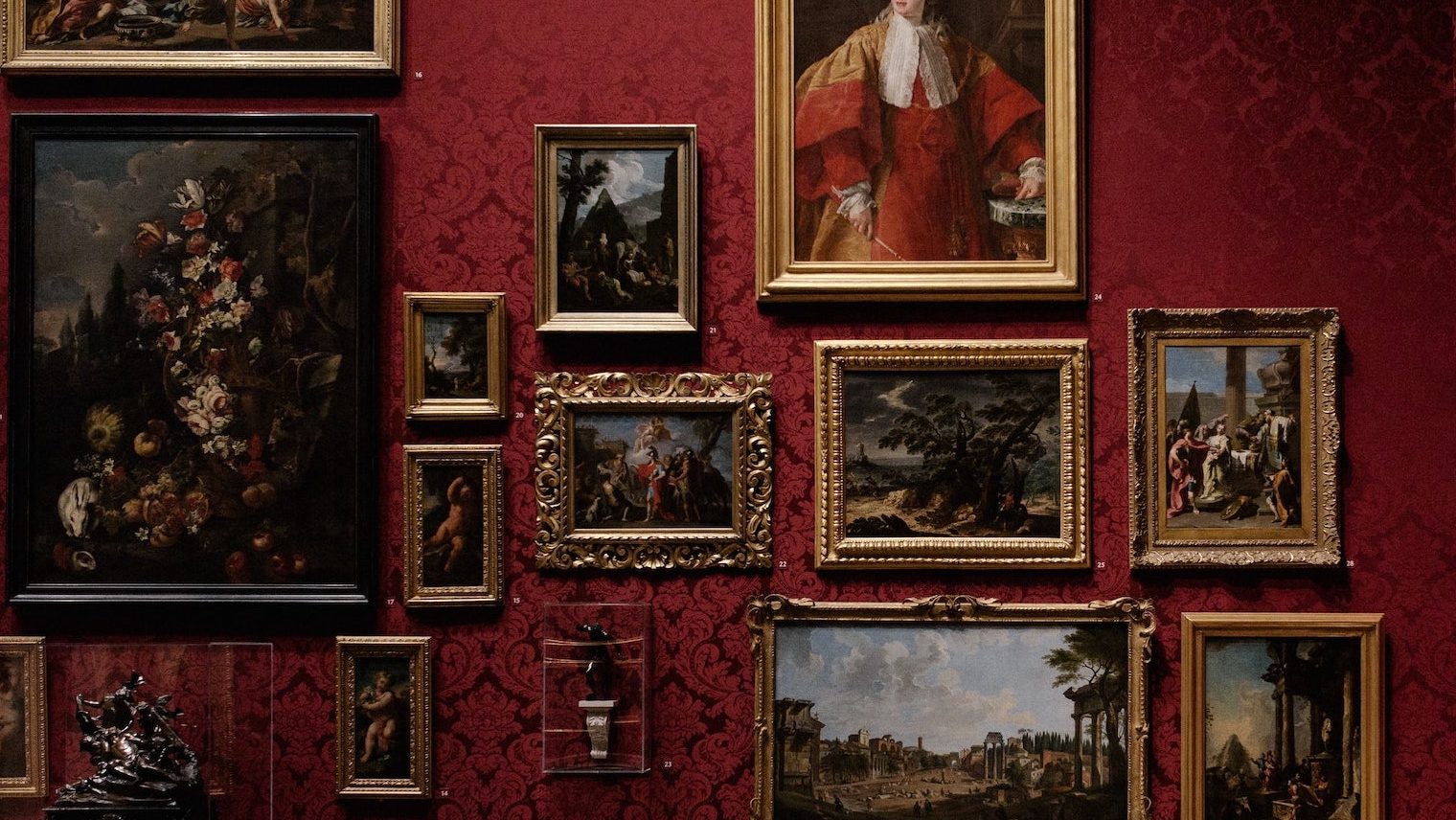
New Voice Award: Happy little accidents by Meg Orpwood

At the Arts Council Annual General Meeting, it was decided that all of the public art that was off display and held in storage should be distributed among the population, and shown in whatever way the people saw fit. Those who wished to host artwork entered a lottery system, paying a flat rate of £10.99.

One of Monet’s waterlily studies arrived with Linda and Tony, who were ecstatic, and hung it upside down in their dining room. It could be seen from the road, and the couple would take cups of tea out to street enthusiasts, peering in through the perpetually open curtains. In the dead of night, precisely eight months into displaying it, the painting crashed to the ground. Tony had underestimated the weight of the frame and didn’t hang it properly. Neither the canvas nor their elderly dog Steve recovered from the fall.

The Digby family received a Mondrian and were devastated, they hated it. When the unmarked van had arrived and unloaded the painting, they had pleaded with the driver to give it to someone else, but even the offer of £50 wouldn’t make him budge. They left it in its wrapping on the kitchen floor and ignored it, until one night when Hugh could no longer take it, and he grabbed a sharpie and coloured in-between the lines. He later told this as an act of somnambulant vandalism, but his wife Patricia knew the truth.

The Pritchard home received a Vermeer, and proudly placed it above the mantelpiece in their living room. Mr. Pritchard didn’t like it at all, but knew that it raised his status, and saw how happy it made his wife to charge strangers money to look at a painting they knew was valuable, even if it was a bit boring and just old people from the past.

Absolutely everyone wanted a Turner, but only Bob Salmon got one, and he struggled to find the right place to put it on his narrowboat. As he waited, unable to decide, it lay flat on a shelf. His cat, Binks, liked the high sides of the frame (they made her feel safe), and she leapt onto the canvas and started using it as a bed. Initially Bob was incapacitated by anxiety, but then concluded that it was probably safer as a cat bed than on display, especially as no-one had seen him go out to meet the delivery person on the frosty towpath.

A group of students in Bristol received Tracy Emin’s ‘My Bed’ and decided that really, all art is palimpsest, and it would be an act of radical creativity if they all got in it at once and refused to get out. None of them studied art, so it came as no surprise to everyone else that they all failed that year, though they had sweetly and hubristically believed that what they were doing was bigger than the institution.

A young couple in Hackney received a full Martin Creed sound installation, which was rather large and required them to build an extension to house it. Thanks to a tip-off from a neighbour, the Council found out about the unplanned works and took them to court, and confiscated the art. Several unique screws were removed and lost, and the work can no longer be assembled.

A Spanish teacher from Crewe received a Maggi Hambling painting, and about a week later, Maggi Hambling herself showed up and set fire to his home and was last seen resisting arrest somewhere near the M6 round junction 16.

The Mallik family desperately wanted a Warhol, and instead received Hockney’s Garrowby Hill. When it arrived, Mr. Mallik was disappointed, but his eldest daughter Samira found such vibrant charm and wit in it that by the end of the year, she had moved to Kirby Underdale so that she could see the real Garrowby Hill every day. One of her friends upon coming to stay remarked that the colours of Yorkshire were nothing like Hockney’s vision, and asked Samira if she regretted her move, and Samira realised her friend didn’t understand how art feels.

Mr. Piszczek received Anish Kapoor’s Descent Into Limbo and built a special shed in his garden for it. He was mesmerised by it, the Vantablack soothed him into a state of deep meditation. He stopped going to work, all he could think of was his own private abyss. One day he crept down there and realised it was the only place he was meant to be. Aware of the licensing limitations of Vantablack, he bought a dupe online, and painted everything he could need to live down there, and then began to tunnel under the shed, expanding his subterranean void into obsidian oblivion. 

In some ways, it was a good thing that the Arts Council had raised so much money through the lottery, as they had to recompense several institutions and individuals. At least twenty works of art were destroyed, some deliberate, others defined as acts of god by the insurance company who categorically refused to pay out. More than three hundred works were missing, and several hosts too. A retired dentist from Southampton was seen exiting the English Channel and heading into open water sitting atop one of Jeff Koons balloon dogs. She had placed a flag on the tail that read ‘LIVE’, which was all that remained when the dog was seen by satellite in the Pacific Garbage Patch.  


I admire the cohesiveness of this story. The crisp sentences and vivid imagery complement each other beautifully, resulting in a fully immersive reading experience.

Mustapha Enesi


Happy Little Accidents posses a rare and often overlooked quality in fiction: an original idea in an original voice. Balancing humour with social commentary, I am looking forward to what this new author writes next!

Camilla Grudova

Meg Orpwood lives in Brooklyn with her three idiot cats, and writes about environmental science for a living. Her most prized possession is a plaster-cast of Nicolas Cage’s face, and she loves to arm wrestle though she rarely wins. She can be found on Twitter as @meg_orp, but be warned: her content is 99% cats.
 

The 2023 winter short-list

We are thrilled to announce our short-list for the winter Oxford Flash Fiction Prize 2023.

If your story is listed, please do not identify which story belongs to you, as the judges are hard at work making their decisions.

SHORT LISTED STORIES

  • 2 Albyn Place
  • A taste of honey
  • After that it was all downhill
  • All the cunning weapons of a ninja
  • Along sectarian lines 
  • Baby chick flutters on the asphalt
  • Bulldozer
  • City rat
  • Emergency contact
  • End of the road
  • Hands and voices
  • Happy little accidents
  • His newest and most pristine copy
  • Honeymoon on Lake Constance with Virginia Woolf
  • In all its haunting
  • Love lessons from a chameleon
  • Magic bloody mountain
  • Mara grass
  • Popman’s bin
  • Roadside healing 
  • Salmon
  • Shipmate
  • Shipping forecast
  • Sound-proof room
  • Starlings
  • Stop-Start
  • The capitalists
  • The last cigarette in Los Angeles
  • The price of fish
  • The shark
  • The things my sister gave me
  • The usual 
  • Thin ice
  • Tiger mum
Thank you to our donors

Congratulations to everyone on the list who will be awarded publication and either a year of Art & Flash workshops, or a four-week workshop called Dust Off Those Drafts with The Flash Cabin. They will get four weeks of feedback exchange and story revision (includes 20 revision exercises & 20 study stories) with Anika Carpenter.

In the next week or two, we will be announcing our winners. So watch this space! 

We have exciting news for our next competition, which will be opening on the 1 June 2023. So if you don’t find yourself on this list, we hope you’ll try again in our next competition and keep crafting.

The 2023 winter long-list

We are thrilled to announce our long-list for the winter Oxford Flash Fiction Prize 2023.

Congratulations to all of the authors who reached the list and for all those who entered this round. As always, we saw a wonderful range of experience, genres, topics and stories from all over the world and it was hugely competitive. Many wonderful stories just missed the final list and for those we have permission to email – we will be letting you know! 

If your story is listed, please do not identify which story belongs to you, as the judges are hard at work making their decisions.

LONGLISTED STORIES

  • 2 Albyn Place 
  • A taste of honey 
  • After that it was all downhill 
  • All the cunning weapons of a ninja 
  • Along sectarian lines
  • Baby chick flutters on the asphalt 
  • Bulldozer 
  • City rat 
  • Emergency contact 
  • End of the road
  • Hands and voices 
  • Happy little accidents 
  • His newest and most pristine copy 
  • Honeymoon on Lake Constance with Virginia Woolf 
  • In all its haunting 
  • Love lessons from a chameleon 
  • Magic bloody mountain 
  • Mara grass 
  • Popman’s bin 
  • Roadside healing  
  • Salmon
  • Shipmate 
  • Shipping forecast 
  • Sound-proof room 
  • Starlings 
  • Stop-start 
  • The capitalists 
  • The last cigarette in Los Angeles
  • The price of fish 
  • The shark 
  • The things my sister gave me 
  • The usual  
  • Thin ice 
  • Tiger mum 
  • Fran’s first day at nursery 
  • Needles and ink 
  • Per aspera ad astra 
  • Grapefruit in June 
  • Splintered 
  • The last tundra tour guide 
  • Butter is bread 
  • The magician’s assistant 
  • In all the loveless places 
  • Moments of intimacy eastbound
Thank you to our donors

In the next week, we will be announcing our shortlist, who will be awarded publication and either a year of Art & Flash workshops, or a four-week workshop called Dust Off Those Drafts with The Flash Cabin. They will get four weeks of feedback exchange and story revision (includes 20 revision exercises & 20 study stories) with Anika Carpenter.

So watch this space! 

We have exciting news for our next competition, which will be opening on the 1 June 2023. So if you don’t find yourself on this list, we hope you’ll try again in our next competition and keep crafting.

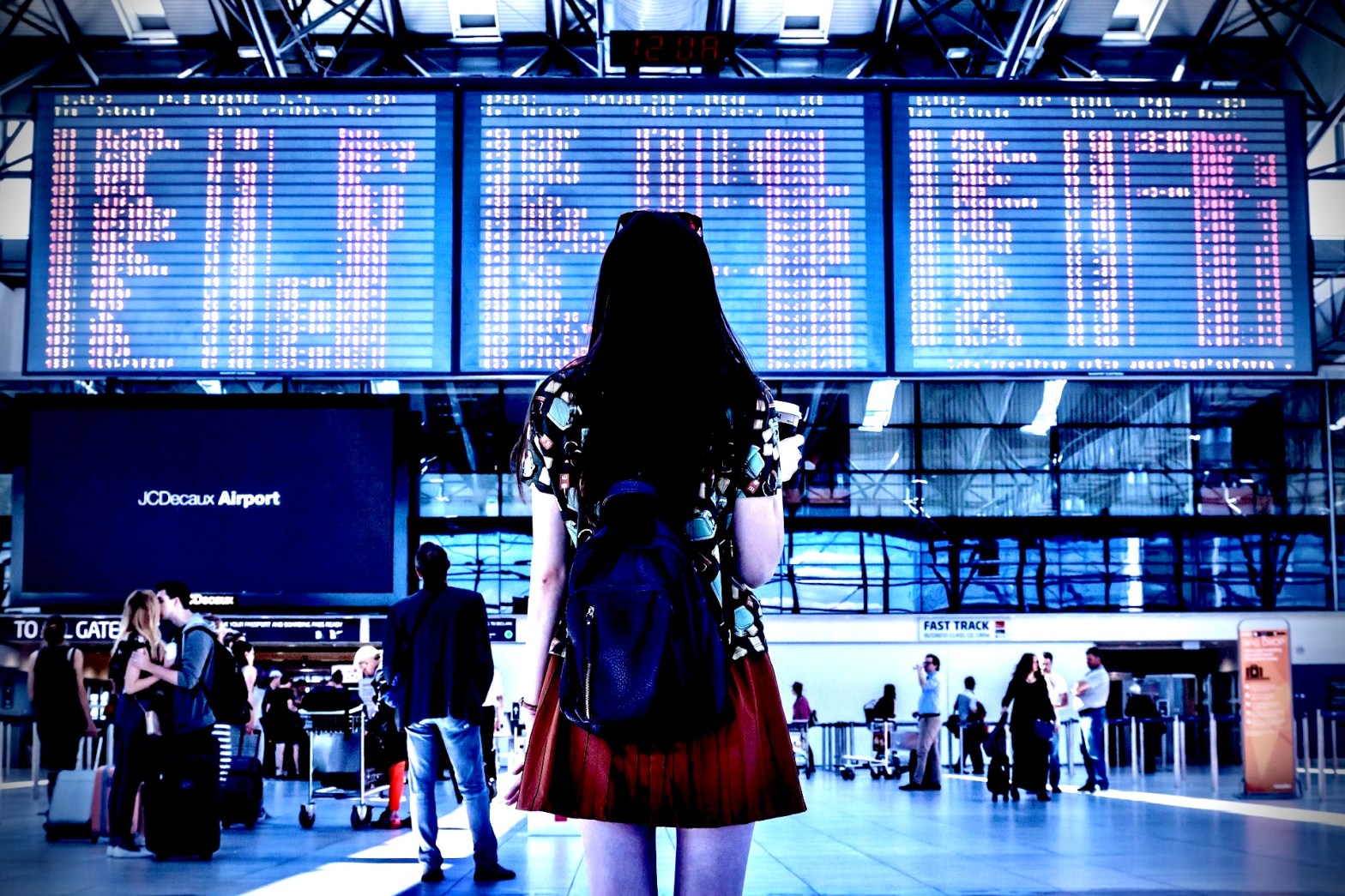
First Place: The Anatomy of Arriving by Michele Wong

This story was first published in December 2022 by The Master’s Review, and then by the Oxford Flash Fiction Prize in 2023.

Your feet move slowly, dragging one Samsonite hardcase till you reach the departure gate where you feel the eel of awkward slip from head to toes as each word bends the heart when Ba says, ‘my child’, and Ma asks in Cantonese if she’d let your hand go too soon, would your scholarship turn you into the moon, luminescent and distant? 

And your hips shift a little on the hard seat, turning to the window where a sky full of promise looks down on the tropical island your bare feet has loved, only easing after take-off, after the body weightless feels gravity suck that eel into your stomach filled with airplane pasta, though just the thought of eating at 30,000 feet altitude makes this a momentous occasion, and your acid gives a slow burn as you wonder how to live in a world without the salty aroma of Ma’s sambal fish, though in the future, you will consume umpteen meat pies and grow an ulcer from a variety of solitudes and beers. 

On arrival, your lungs takes a deep breath in as the air is cooler without the pull of humidity, before a rush of eucalyptus fills the negative space, and your hand coils from the cold blue of winter, until you see a sign ‘Welcome to Australia’ held by your big brother Yiu-Yan, and you stare wide-eyed in the car where you spy in the distance, mountains the colour of the sea; in the next few months, you shall see koalas with pouches, and tails that push wallabies three feet in the air, and in the next few years, you shall witness burnt trees cresting hills of ashes, a body in the morgue and first love. 

On your very first dusk, you wear long johns, just like Hawkeye in Mash, and you flop on the couch as all you want to do is rest, but Yiu-Yan is particular and instructional, ‘Here’s your first beer and Hoover, gotta learn to drink and clean like an adult now’; your eel bends as you vacuum under a watchful pair of eyes while you yearn to be sharing your day with Ma, while lazily watching her make spicy sauces from skin, flesh and seed, but your ears tweak as you hear the ‘Kak-Kak’ of cockatoos which continue into the soft red of twilight replacing the beat of monsoon winds in the bones of your ear.

For Yiu-Yan’s first sister-cooked meal, your hands open the recipe book Ma had given, filled with galangal, ginger and aniseed, as you trace the intestinal line of your first trout, in search of a pocket to hide garlic slivers, as your fingers feel the smoothness of fish skin, pull the wormy entrails of life, as your thumb is poked by a thorny fin, pinpricks of blood speckle the counter, as you plop the fish into the oil, as it suddenly hisses and crackles with fried water, and your eel stirs and laughs as Yiu-Yan rushes over to wipe the counter and mop the floor, his hands like a stunned octopus, panicky and wild.

For many nights, your ventricles thump-thump in dread—What if I chose the wrong major? Why does Yiu-Yan keep scrubbing everything? Then you remember reading Jane Eyre in school, how she went beyond Lowood, beyond governess, beyond her time, and flourished, and you keep repeating, I am Jane, Jane is I, beyond peril, beyond time, then when Ma calls the following month, there is static on the phone, ‘How are you both?’ and you reply, ‘Cold! But we finally dipped our feet into Bondi yesterday,’ as your eel stealthily moves to your tongue, and curls it in order to tell her that there’ve been so many tests you’ve had no time to think, curls it to let her know that your classmates have had numerous barbeques and no one’s invited you, and that Yiu-Yan in one drunken night, utters ‘I haven’t known happiness since grade eleven’, and that he hides in his room for days, but your heart steels and tells your eel to shut up and be an Amazonian like Jane Eyre, so instead you say, ‘My fish stuck like gum to the wok,’ to which Ma replies, ‘It’s your first fish, it’s allowed to stick!’ because you’ll always be hers and she, yours. 

Summers later, to celebrate your new apartment rental, you go to Bondi and swim, not knowing that within 24 hours, you almost faint when you’re called to the manager’s office of your first municipal job, where you’re told of your brother’s hanging with his USB cord, and your long-submerged eel awakens as you drive your visiting parents to retrieve his things from his apartment, where you find The Bell Jar, Sertraline and Ativan, and a pet rock you gave him when you were eight, and his books are, as usual, arranged in alphabetical and thematic order, and you don’t know if you can ever be Jane Eyre again.

And now each time you return to the edge of the sea, you wonder how many moments are infinite—catching tadpoles in the mangrove where you’re nine and piggy-backed by a giggling brother, stealing your first kiss under the glow of Jenolan limestones, running through your first field of cornstalks with a beau with a banjo, where you finally understand that in life, we are always arriving, and you turn as you hear laughter erupt, and you see a child slurping a Bubble-O-Bill, chocolate ice-cream melting into her pink face, dribs and drabs onto the warm rocks; in another decade, you shall hear the warm yet impudent lilt of a sixteen-year-old who calls her parents the Dude and his Old Lady, but for now, you wonder if you’ve let her hand go too soon, and your heart skips because it knows that she is yours and you are hers, and your mouth opens to call her, as you swallow the sibilance of a sea breeze and drown the slithering thing within.


An engrossing, evocative piece with flashes of lyricism and depth; it explores belonging, loss and transformation.

Rachel Edwards

There’s genuine depth of feeling here, an earnest voice, and I felt the theme of the permanence of family bonds, transitions, the passage of time. We do feel we’ve taken a journey and arrived somewhere transcendent at the end. 

Eliot Li

Like the main character, the reader is taken on a journey to a faraway, mystifying place. The author provides a crystalline look into loneliness, family allegiance, and secrets. 

Patricia Q. Bidar

Michele’s writing first began in theatre but her love for short story arose after an early story was a winner in CityTV’s Vancouver’s Story Initiatives. Works include two short-listings for the 2022 Masters Review Anthology and Masters Review flash fiction prizes, a finalist for the 2022 Tobias Wolff award, and a long-listing for the 2022 Bath Flash and 2022 Fish Flash Fiction Prize, while two were given honorable mentions in the Lorian Hemmingway & Writer’s Digest Short Story Competitions. Her writing has been or will be published in the Bath flash-fiction anthology, ScribbleLit, Recalling the Journey Anthology, 101.Org & Blue Mountain Review. She can be found at @meaning_filled on Twitter.
 

Second place: Dinosaur Bones by Emily Ives-Keeler

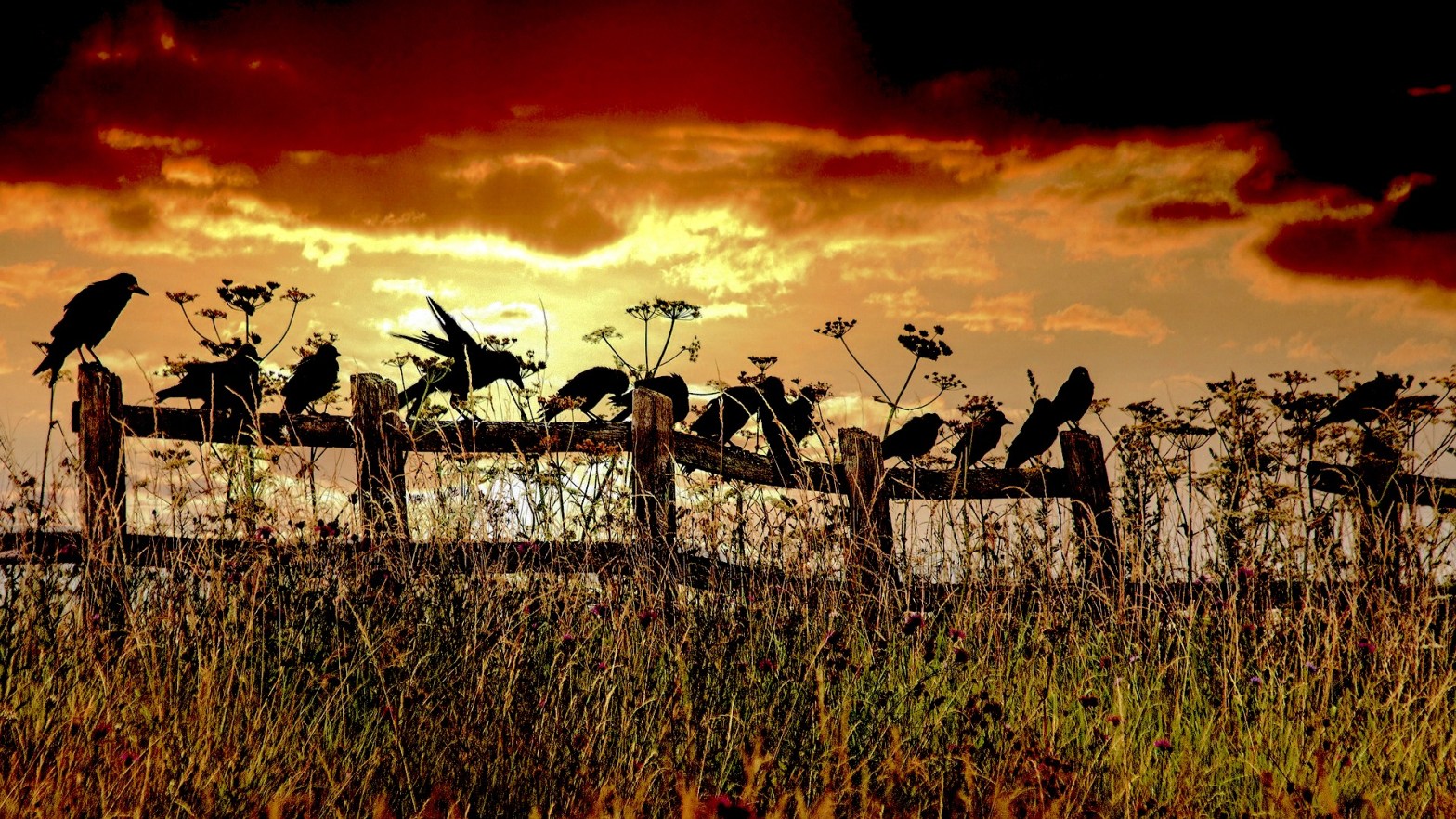
Dad watches the crows every morning from the kitchen window. A young family has roosted in the hedgerow trees and each day they line up on the fence and scream at each other, at the sky, at the Universe, at my Dad. Dad sips his tea and glares. He knocks on the window, but the crows dance along the fence and shriek louder.

‘That fence is covered in shit,’ croaks Dad, his voice thick with sleep. The kettle boils. ‘I’ll have another one, please, love.’

I pour hot water, milk, a white flower blooming in the muddy tea.

‘And how are we this morning?’

I reach into the cupboard and finger-hunt through half-empty boxes of cereal, energy bars, pop tarts. ‘I’m hungry,’ I mutter.

Dad scuffs across the lino in his slippers, collects his tea. ‘Hi hungry, I’m Dad,’ he grins, and shuffles upstairs.

Later, he picks me up from college, shirtsleeves rolled up, blasting the Eagles.

‘Fish and chips?’ He says. We order two cod and chips, plus extra chips, drench it all in vinegar and BBQ sauce. We watch old episodes of Friends while we eat, drop our forks to clap the theme tune.

In the morning, the smeared boxes are scattered on the lawn, the greaseproof lining shredded and sprinkled on the hydrangeas. The crows squawk their gratitude. Dad bursts out the back door, arms flying, screeches their cry back at them in a horrible parody. The crows thrash their wings and scramble skyward. They return to the fence quietly, one by one, and watch as we file out to the car, flint eyes trained on us.

Dad starts the engine. ‘I’m going to kill those birds.’

I tell myself he could never catch one, and if he did, he wouldn’t know what to do with it. But more than once I catch him skulking around the hedgerow with his gardening gloves on, fingers twitching. He stands at the kitchen window and matches their stony stare with his own; mocks their rattling squall until his throat is ragged. I sit at the computer and find tabs open on bird poison, BB guns. He says the thing to do is to string one up by the feet, as a warning to the others.

I get the bus to college and leave him kneeling on the lawn, rope and netting spread out on the grass. One night I come home after a shift at the supermarket and all the lights are off, his car a slippery shadow in the driveway. I find him on the bench under the garden fence, heedless of the white crust left by the birds on every surface. A still black heap is hunched in his lap. The dark shapes of the crows guard the fence, but the garden is quiet. I tread the grass.

Dad whispers my name. ‘Look,’ he says.

I hold my breath and peer into his lap, his fists closed around wing and tail. He has done it.

‘How did you—,’

‘Shh,’ he says, and the heap of feathers stirs, flashes a hard eye, a blunt beak. Dad loosens his grip, and the bird opens the palm of its midnight wing. It stands, feathers bristling into a ragged mane. With a harsh departing ‘Caw,’ it bursts up from Dad’s lap into the sky. The air stirs as the other crows follow.

‘They’re beautiful,’ says Dad, staring after them.

This is the first day Dad skips work. He doesn’t go the next day, either. He stands in his usual spot at the kitchen window, but now, when he shrieks at the crows, it’s like he shrieks with them, not at them. He moves slowly through the house so as not to startle them. When the sun sets and they scatter back to the trees, he goes out in his dressing gown and collects their glossy feathers, fills vases and old jam jars with bouquets of them.

‘Did you know,’ he says, ‘birds are directly descended from therapods. Their bones are just the same, only smaller. Birds are the only surviving dinosaurs.’ The crows scream at this as if in applause. Dad smiles.

At college, I find myself striding down the Science corridor, seeking out a teacher to ask whether crows are dangerous or somehow addictive. But I can’t form the right words for what I want to know, so I pretend to look at the notice board and turn around.

I take more shifts at the supermarket, bring home milk and microwave lasagne. Dad stops cooking, eats only what he can fit in his hand while standing at the kitchen window. Eventually, I bring him a chair and a blanket. He loses weight, grows a beard which stretches down his neck. Angry-looking letters pile up on the doormat, but neither of us opens them.

‘Dad,’ I ask, ‘What are we going to do?’ I kneel down to him and he looks past me with dark, corvid eyes. ‘Dad?’

But Dad has stopped speaking and the only rattle left in his throat is for the crows.

One morning I come down to the kitchen and Dad isn’t there. I go to his bedroom, find his pillows strewn with opalescent feathers, and I know.In the garden, perched on the sun-warmed fence, is my Dad. He looks almost like the other crows, straight beaked, smooth headed. But his soft eyes give him away. My feet whisper across the grass. The crows side-step the fence, give me a wide berth. Dad holds my questioning stare, croaks a caw. An apology, a goodbye, or both. His wings bristle and I push out the palm of my hand, a stop sign, but it’s too late. In a thrum of wing and wind, Dad rises off the fence and heads skyward, a black knot in the clear blue sky. I watch him and wonder how the air feels underwing, the freedom whistling through his dinosaur bones. 


This blew me away, personally. It draws you into a seemingly mundane familial relationship then swells, twists, crescendos and soars like the very best writing. It also made me cry, twice. Extraordinary.

Rachel Edwards

Hard to imagine a steeper flash character arc than what happens in this piece, which one of the other judges said made her cry, twice. A depressed father, whose life is irrevocably changed by an encounter with a crow, and the narrator who is forced to witness the father’s transformation. Does the father experience a breakdown, or a liberation? By the end, we’re not completely sure, but we feel for both the father who glides away forever, and the college-age child who’s left behind, awe-struck. 

Eliot Li

I love the way the story appears to be straightforward, then veers off into a surreal place that somehow feels more real than the real. Fully engages the head and heart

Patricia Q. Bidar

Emily Ives-Keeler lives in Aberdeen, Scotland with her husband and cat. She works for a charity and writes short fiction whenever she can. Her work has previously appeared in Deracine magazine, and is forthcoming in Neon.

Third place: Aching Bones by Zoë D. Marriott

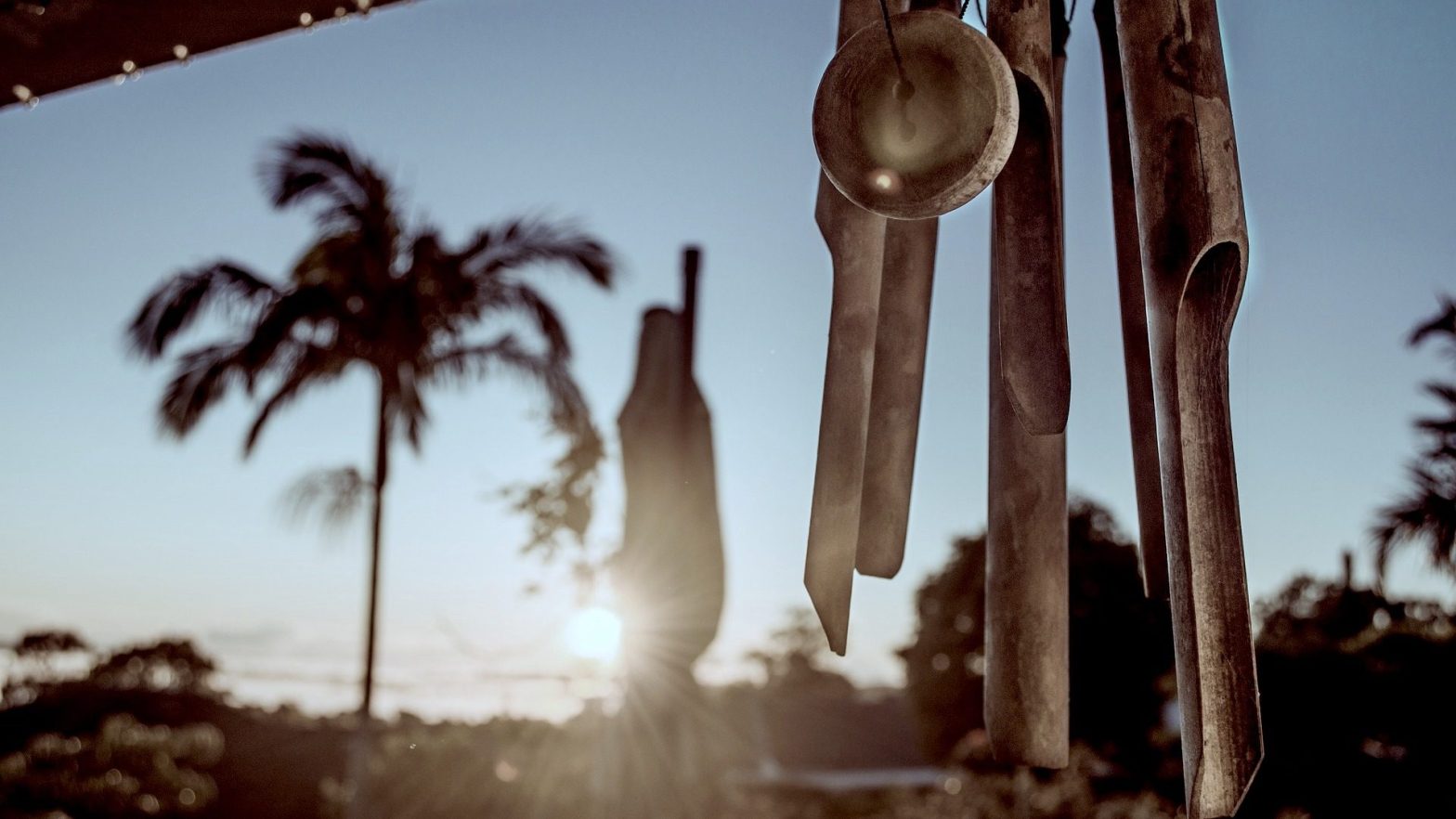
The bone-flutes are restless this morning. There is no wind yet, and the reeds stand unmoving amid the dark silty water; but the flutes shift where they hang beneath the thick sheaf of the eaves, rippling with mournful notes. They’ve faded from pink to yellow as they dried – though I watered them every day with tears, at first – to white. They’re almost translucent now, and their music is gentle. More beautiful with each passing winter. I whistle softly at them until they fall silent.

Amber mist cloaks the rising sun. The same mist tickles my bare ankles, but it’s colourless down here by the water, like the steam from my chipped old cup, rose-hip-scented, warming my chilled face. 

A bird calls, far off amid the dense prickling bushes that guard the edge of the marsh. Lonely, mayhap. The bleached planks of the deck creak, some shifting a little underfoot. I chose a dry-ish spot to sit and lower myself down. My knees creak too, but I’m still able to fold my legs and tuck my bare toes under my thighs to keep them warm. 

Ma always scolded me for wandering the marsh with no shoes on.

‘Them eels’l be ticklin’ your bones with their teeth, girlie, mark my words! Don’t come a-cryin’ to me when you end up with no toes!’

I lean back against the wall of the hut and sip my tea, savouring the way the sweet-bitter brew makes my mouth water. It’ll be warmer soon. The sun is starting to burn the mist off. A hot copper-penny sizzling in the clouds. 

I rub absently at the old, round knot of scarring on the back of my left hand. Some days I must remind myself that I chose it. I could have smoothed the mark away with one of my salves, if I had wanted, after the wound healed and the infection was gone. Faded it from pink to yellow to white. But I chose to remember instead. 

The far-off bird calls again. Another answers and for a moment their songs entwine. A happy ending?

I enjoy the quiet along with another sip of tea. They’ll start to arrive soon: seekers, travellers from the villages and the towns beyond the hills. They stream into the marshes like the black rivulets that raise up through the reed beds at high tide. Everyone wants healing, remedies or advice these days. A salve, a potion. A whispered fortune. Broken hearts and broken bones mended. Business is brisk. Everyone wants to see me just once, while I’m still alive, still working. There’s a good thirty years of life left in me yet – I can feel that in my bones, the way Ma used to be able to tell, with a touch, when death was rooted in someone – but I look ancient to them. In truth, I am something ancient. The last Cunning Woman of the marshes.

Ma always warned me about this, too. 

‘You’ll end up all alone out here at this rate, girlie, mark my words!’

But I never did my duty, even though Ma tried everything she could to make me – kept on trying, right until the very end. 

I never went out there with flowers braided into my hair, holding up a smile before my fear and determination like a mask. Never laid down beneath a man for as many nights as it took, enduring, then stole away in the dark to return to the marshes when I knew my belly would swell. Never broke anyone’s heart. Nor broke the spirit of any children. Or their bones. 

And I still have all my toes. 

It’s not my bones – the thick, strong thigh bone, the elegant ulna, the filigree of the long, gnarled fingers – that hang from the eaves of my hut now, disturbing the air with their plaintive notes, tying the wind into knots as it passes through the tiny holes I carved into their lengths.

When they were new, the flutes had a harsher music. Shrill and sharp, like corvids fighting over carrion. They were never silent, never still. Oh, it was a hard winter that year. I was a woman grown, but I felt like a child, tiny and fragile and afraid as I crept around the newly quiet house, learning everything afresh, every squeak of every plank underfoot, every knot and stitch of every blanket, the chipped rim of every jar, the papery dry smells of the herbs in each basket. The frosts were as thick as snow, and set over the water with a crust like iron. Icicles sprouted from the bone-flutes then, and I flinched from their song. It followed me into my nightmares. There were times when I didn’t think I would survive, especially with my bad hand and the fever of infection that seemed to go on and on and on.

But the spring came. The swifts and swallows returned, drawing the warmth of the sun behind them like a promise. My hand healed. When I wove yellow iris and bittercress and the white stars of bogbean into my hair that summer, it was for myself, myself, myself only, and I laughed as I danced through the reed beds, barefoot. I laughed.

Time flows as smoothly as water in a life without fear. And the bone-flutes really don’t sound anything like Ma anymore. 

The bird calls a final time, its trill spinning out over the misty reeds and water. This time there is no reply. Some creatures are happier alone, mayhap.

I smile. 


The author masterfully drops the reader into an unfamiliar world. I was impressed by the use of the natural environment, the seasons, and the overall world-building here.

Patricia Q. Bidar

I love the character building here, and the voice, done in a lovely, nuanced way, this healer or witch by the marsh, who has never been in love and always been alone, and prefers it that way, with her mother her only close companion. The story took me away to another time and place altogether. I interpreted that the bone flutes were her mother’s bones, still talking to her, sharing a sort of lovely pathos with her. I love the imagery, and the metaphors—the eel, the birds calling. The harsh winter when she was on her own without her mother, that she barely survived, but then the spring came and renewed her faith in herself, and the penultimate line “Some creatures are happier alone, mayhap,” all bravely point to a life alone worth living. 

Eliot Li

An accomplished tale, one painting the dark hinterland of the central character’s experience. Mysterious and memorable.

Rachel Edwards

Zoë D. Marriott is a proud working-class writer. She lives on the wild North coast of England, sharing her home with a manic spaniel called Ruskin and countless teetering piles of books. She is a former Royal Literary Fund Fellow and award-winning writer of diverse, feminist novels for young adults, including: Shadows on the Moon; The Hand, the Eye and the Heart; Barefoot on the Wind; and the Name of the Blade trilogy. She is currently pursuing a doctorate in Creative Writing at the Open University. She blogs about her journey as a mature student at http://www.zdmarriott.com and can also be found on Twitter as @ZMarriott.

New Voice Award: 1974 by Veneta Roberts

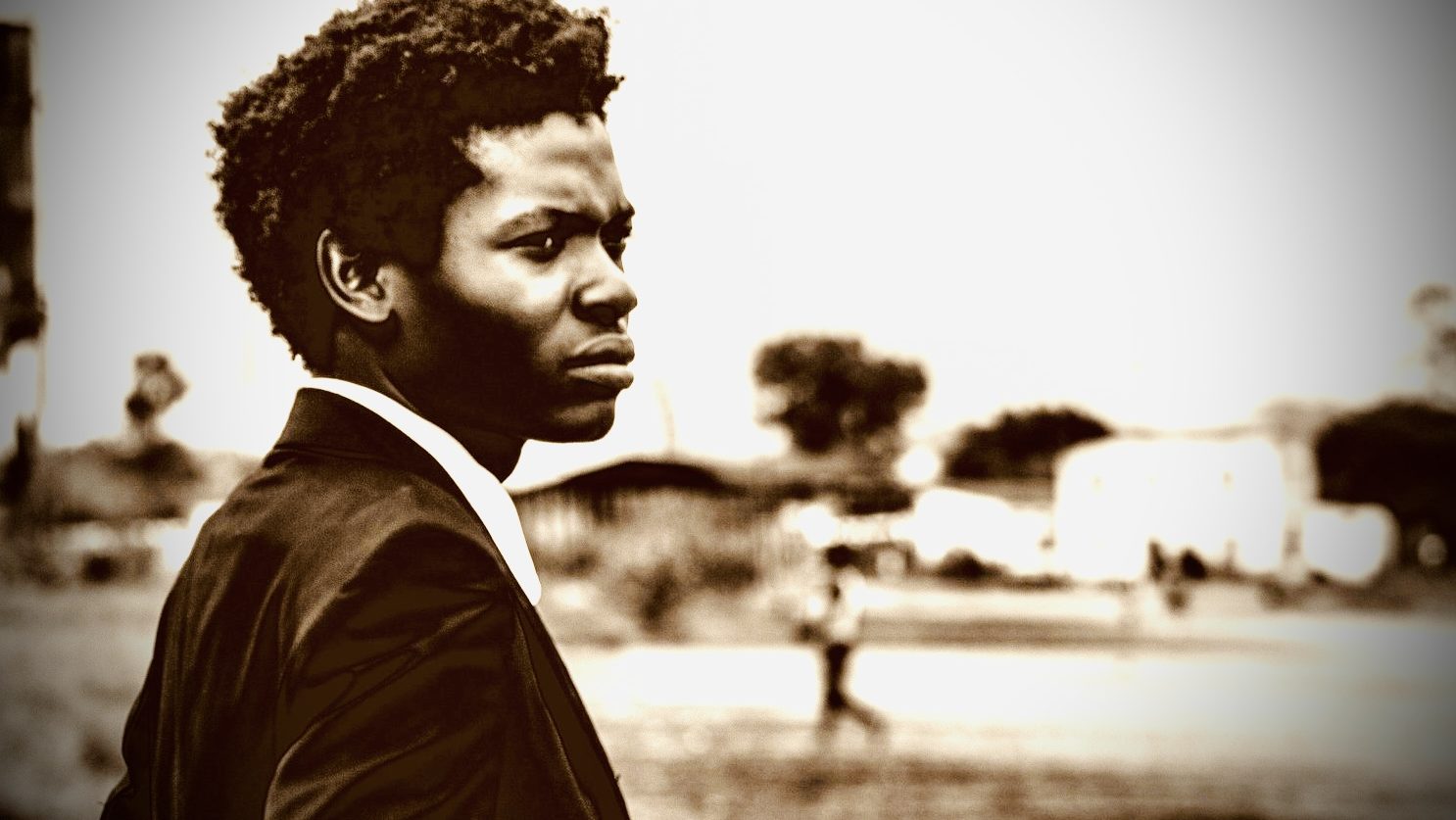
The clouds hang low, with a smell in the air that reminds me of our small bathroom, when I’m the last in line. The smell of six other bodies removing their night-time odours into the sink, the dregs hanging in the air, not completely eliminated by a layer of cocoa-butter and Sure. I pull the hood of my green Cagoule carefully over my hair, worrying my afro may become limp, or, what if it gets dented from the weight of my hood? Cha man, I took ages perfecting it. As I reach the end of Canterbury Road, I hear the shuffle of Deon running towards me.

‘Wait up bro.’ He shouts catching up. I don’t know how he manages to take the longest to get dressed, yet always ends up looking like he slept in his uniform. While I wait, I glance down at my neat tie and tucked in shirt, then back down the road to Deon, his satchel banging into his hip as he runs. I feel the first drop of rain on the back of my hand.

‘Thanks,’ Deon says, falling in line as we wait to cross the busy roundabout. I’m hoping to get across without breaking into a run, which could create steam in my hood. Deon sees a gap between cars and makes a run for it, pausing at the other side to look back.

‘Why didn’t you run?’ He shouts over the traffic.

‘Don’t wanna mess up my hair man.’

‘Who cares?’ He asks looking confused. Obviously not him, I don’t even think he’s buttoned up his shirt correctly and his face looks well dry, like he forgot to cream.

The traffic begins to pile up and I cross easily between cars. Before I can catch up to Deon, he waves to someone further down the road. Shouts ‘wait up’ and breaks into a run. What a blasted tief! Turning right onto Mitcham Road, there are herds of children, all walking in the same direction, it feels like being in the army, we have differing faces, yet we all look the same, dark coats, navy blazers, grey jumper, grey and navy tie. The only difference I can see, is the few black kids that go to this school all have their hoods up and none of the white kids even have a coat, letting the rain bounce on their heads to drip down their blazers. 

Once entering the school gates, I walk left, past my noisy form room, enter the boy’s toilets, face the mirror and slowly remove my hood. Yes! Hair is still looking good, phew man.

I enter 5a, relieved by the noise and bustle; Emma and Paul are perched on the teacher’s desk, her legs are crossed, one over his thigh, his hands are in her wet hair as they kiss. Felix and Nate are having an arm wrestle across a desk near the back and a crowd has gathered around them, placing bets with penny sweets. I glance through the crowd, spotting Aaron and Huntley glancing out the window. Huntley turns as I approach.

‘Michael, what’s happening?’

‘Not much, annoyed with the blasted weather,’

‘It’s crap innit? Look at Aaron’s hair, he’s well vex.’

‘Shut up man!’ Aaron says, punching Huntley in the leg. Huntley holds his hands up, ‘Alright man, no need for vi-o-lence, peace man, peace.’

‘I’m proper vex man, my hair got mash up, it literally shrank,’ says Aaron looking down at the floor.

‘Why didn’t you wear a coat?’ I ask.

‘You know I come from far man. It was well sunny dis mornin.’

‘Sad man, it looks alright though,’ I add, hoping to make him feel better. 

‘What does?’ Asks Huntley, screwing up his face.

‘Shut up, you know you’re lying,’

‘Yeah, it looks shit man,’ Huntley adds, and I can’t help but crease up.

‘You lot are well outta order man.’

Whilst the rest of the class etch numbers onto their papers, I watch the seconds tick by on the clock above Mister Richardson’s blackboard. I swear the hands are moving backwards. It took me half of the allocated hour to complete the Physics exam. The air feels thick; after this morning’s English lesson, the clouds began to disperse and now the sun pierces through the window with the intensity of an August day. Mister Richardson doesn’t hide the fact he is sleeping under his newspaper, the soles of his brogues facing into the classroom. When the minute hand reaches twelve, the bell buzzes loudly and Mister Richardson falls off his chair and the classroom fills with laughter.

I seek out Huntley and Aaron outside the food hall, falling in line to join the queue to fill our long bellies. Aaron has found an afro pick in the bottom of his bag and Huntley nudges me to watch. Aaron blows crumbs from his comb, then pulls a blue hanky from his blazer pocket, methodically stretching the material between the black teeth, pushing the grease to the ends, forming a mound that he scrapes off with his nail. I glance at Huntley, trying not to laugh as he stares and shakes his head in exaggerated shock at Aaron’s ritual. Once the comb is clean Aaron finally places the long teeth in his hair and it gets stuck. Both Huntley and I crease up.

‘Mash up!’ Huntley says nudging me again. Aaron cuts his eye at Huntley, yanking the comb out of his hair, chucking it back into his bag.

‘It looks alright man,’ I say nudging him with my elbow.

Aaron pushes up his mouth, looking vexer than ever, then quickly becomes interested in the fast-moving queue.

‘What’s the matter now?’ Huntley asks.

Aaron doesn’t reply and Huntley opens his mouth to say something cutting.

‘Leave him man.’ I say leaning into Huntley.

Huntley glances at Aaron, then nods at me.

‘Did you two watch the football last night? Huntley asks and Aaron looks like he has forgotten all about his hair.  


The point of view, the dialogue, the hair! There’s an authenticity in this slice-of-life piece about a group of upper school friends that made this piece an absolute delight to read.

Eliot Li

A strong voice, telling truths about the Black British experience in this engaging vignette. Zinging with potential.

Rachel Edwards

An energetic tale that fizzes with authenticity and the preoccupations of Black British youth in the ’70s.

Patricia Q. Bidar

Veneta has always written short stories, but only in the last 5 years has she found her passion for the preservation of Black British history. As a child, she never heard stories that she could relate to, there was always a lack of Black presence in the literature that she was taught in school, borrowed from the library, or purchased. It is important this narrative changes for herr own children and for generations to come. British history should be inclusive, and she hopes that inclusivity is found within her fiction and that her stories are enjoyable, relatable and passed around.
 

The 2022 summer short-list

We are thrilled to announce our short-list for the summer Oxford Flash Fiction Prize 2022. If your story is listed, please do not identify which story belongs to you, as the judges are hard at work making their decisions. We will be contacting you soon regarding our end of year anthology.

This year, our shortlist will be awarded publication in our next anthology and a four-week workshop called Dust Off Those Drafts with The Flash Cabin. They will get four weeks of feedback exchange and story revision (includes 20 revision exercises & 20 study stories) with Anika Carpenter.

SHORTLISTED STORIES

  • 1974 by Veneta Roberts
  • A Boy Named Blue by Judy Foot
  • A Thin Line by Emily Midgley
  • Aching Bones by Zoë Marriott
  • All My F/a/c/e/s by Adam Brannigan
  • Amy by Richard Smith
  • An Orange Wool Identity by Michael Salander
  • Comparative Advantage by Nancy Graham Holm
  • Dinosaur Bones by Emily Ives-Keeler
  • Goose by Isaura Barbé-Brown
  • Gorgo Down Under by Gillian O’Shaughnessy
  • How to spend more time with your father. by Kate Sass
  • Let’s say by Maria Thomas
  • Like Molly Ringwald in the Breakfast Club by Eleanor Luke
  • My Name is Alice by Jennifer McMahon
  • Perfect Petersons by Finley Hopmann
  • The Anatomy of Arriving by Michelle Wong
  • The Awakening by Julia Pascal
  • The Kuklops by Donna L. Greenwood
  • The Music Makers by Tom Vowler
  • The Other People by Denny Jace
  • The Poisoners Apprentice by Rowan Evans
  • The Rainbow Poncho by Anna Hopwood
  • Too soon, too late by Stephen Haines

Our next competition will be opening on the 1 November 2022. So if you don’t find yourself on this list, we hope you’ll try again in our next competition and keep crafting.

For the Love of Flash: Interview with judge Eliot Li

In 7th grade, I started writing really depressing poetry as an outlet for adolescent angst, which I continued in high school (both the poetry and the angst). I was fortunate that my parents never discouraged me from writing. When I started college, I became a biology major instead. I didn’t return to a regular creative writing practice again until middle age.

10 years ago, the local chapter of my college alumni association organized a writing class taught by the novelist Mary Rakow. Mary’s writing insight and compassionate point of view blew me away, and I immediately approached her for mentorship and met regularly with her. I started out writing regular length short stories. But once, without even knowing about flash fiction, I wrote a piece for her that was only a few hundred words long. She loved it, and said I should consider writing flash, because the way I wrote was a great match for the form. 

Mary told me to seek out writing classes where I would be the worst writer in the room, some place that would make me feel both massively insecure and also super inspired by everyone else. I’d signed up for one of the SmokeLong flash workshops, and it was exactly as she said—I was the worst writer in the group! My early regular length short stories were very exposition heavy, and Mary would just take her pen and bracket a whole passage and write, “Condense.” My tendency to write boring exposition got so bad she set a rule that I could only use action, gesture, interiority, and dialog. I’ve been trying to write that way ever since.

That’s why I love flash – you just write these incredibly intense bursts of story, with all the connective tissue removed. I love a flash story that goes from point A to point B, that builds in intensity and urgency as it goes, perhaps moving back and forth in time or setting, that has elements from each section that resonate with each other or come back in a new and meaningful way, and that by the time we arrive at point B, something unexpected has happened, something that evokes strong emotion from the reader, or makes us feel a deep empathy for the main character.

That’s why I love flash – you just write these incredibly intense bursts of story, with all the connective tissue removed.

Eliot Li

Titles are hard. I don’t think I always get the titles right. In fact, there was one piece I just got back from a paid critique, and the first comment was, “Please change this title right away!” My feelings about what titles should do have evolved a lot. When I first started writing, I wanted a safe, short title that basically “fit” the story, often just one word, like “Barbarians.” Now, I use titles to convey information to ground or orient the reader to what’s happening in the story. It’s almost as if the title is the only introductory exposition I allow myself before jumping into the scene, so I cram as much succinct info as I can into them.

My story titles have gotten progressively longer. For instance, I have a story called “Mr. Ah Yup, Of The Mongolian Race, Applying For Naturalization.” I’m hoping it’s an attention-grabbing title, but it also does the work of telling the reader all the exposition they need so I can just go right into scene. Or there’s a 100 word story I wrote titled “It Took Courage For My Disowned Mother To RSVP Yes To My Uncle’s Wedding,” which again gives the reader everything I think they need to set up the scene that follows. At least that’s where I am with titles right now. 

My advice to writers is when submitting to a journal or competition, write something that stands out as unique from the other hundreds or thousands of submissions. A voice, a setting, a point of view that’s never been on the page before. A topic that nobody else is writing about. And then infuse the story with so much heart and guts that upon finishing, the reader has to just close their laptop and cry.

Eliot Li is a Chinese American writer who lives in the San Francisco Bay Area. His work has appeared in CRAFT Literary, SmokeLong Quarterly, Pithead Chapel, trampset, The Pinch, pidgeonholes, and elsewhere. He was a finalist for the 2021 Pinch Literary Awards, and runner up for the 2022 New Flash Fiction Prize.

He will soon be joining the editorial staff at SmokeLong Quarterly. You can find him on twitter @EliotLi2.


The 2022 summer long-list

We are thrilled to announce our long-list for the summer Oxford Flash Fiction Prize 2022.

Congratulations to all of the authors who reached the list and for all those who entered this round. We saw a wonderful range of genres, topics and stories from all over the world and it was hugely competitive. Many wonderful stories just missed the final list and for those we have permission to email – we will be letting you know! 

If your story is listed, please do not identify which story belongs to you, as the judges are hard at work making their decisions.

LONGLISTED STORIES

  • 1974
  • A boy named blue
  • A Crossing
  • A Thin Line
  • Aching bones
  • Across the lake
  • All my faces
  • Amy
  • An Orange Wool Identity
  • Comparative advantage
  • Compost
  • Dance Out Your Grief
  • Darlin’ Nate
  • Dinosaur bones
  • Fortune’s Fool
  • Four people
  • Goose
  • Gorgo down under
  • How to spend more time with your father
  • Indian smile
  • Let’s say
  • Life in the Meta
  • Like Molly Ringwald in the Breakfast Club
  • My name is Alice
  • Our Unprecedented Tranquillity
  • Perfect Petersons
  • The Anatomy of Arriving
  • The Awakening
  • The Bower
  • The Kuklops
  • The Land Where Her Ancestors Live
  • The Letter
  • The Music Makers
  • The Other People
  • The Plan
  • The Poisoners Apprentice
  • The Rainbow Poncho
  • Timing
  • Too Soon, Too Late

In the next few weeks, we will be announcing our shortlist, who will be awarded publication in our next anthology and a four-week workshop called Dust Off Those Drafts with The Flash Cabin. They will get four weeks of feedback exchange and story revision (includes 20 revision exercises & 20 study stories) with Anika Carpenter.

So watch this space! 

Our next competition will be opening on the 1 November 2022. So if you don’t find yourself on this list, we hope you’ll try again in our next competition and keep crafting.