Second place: Dad says Nobody Wins on the Teddy Picker by Karen Arnold

The wind blows straight in from the sea, stinging cold that makes my eyes run, but the chips are hot and salty, burning my fingers through the greasy paper. I search into every last corner, lick up each trace. Two dirty grey gulls watch from the railings running around the edge of the pier. One of them opens its beak wide and I can see the strangeness of the inside of its mouth.

Another gust rips the chip paper from my hands, whisks it out over the sea like a kite. The gulls fall on it, shrieking and tearing, a flurry of yellow eyes and beating, arm breaking wings. Mum and dad are still talking, away where I can’t hear them. Mum is pale, dad’s face is red. I know that up close he smells of Saturday night. I know they are fighting over me the way the seagulls are tearing the chip papers into greasy rags. Dad looks over, dares me to move. I look out,out,out and away to where the sea is silver and flickering.

Someone is watching us. The lady in the fortune teller’s booth. ‘Madame Leona knows all, sees all.’ Mum is so pleased that I can read the words. Dad says that all these old women are charlatans. I don’t know that word. I want to know but I don’t want to ask. My cheek still stings from the last answer Dad gave me, so I store it for later. Mum wants to get her cards read, but there’s no money left. She said well anyway, she can guess what was in the future, and sort of smiles but her eyes are shiny and bright,bright green.

When the lady sees me looking, she pulls down a paper blind and the lights go out. It is starting to get dark. An aeroplane flies out over the sea, leaving a white trail behind it. I watch it go higher and higher until I can’t see it any more, only where it has been. The sadness of it sits in my stomach, hard and lumpy, like old chewing gum.          

I lean against the Teddy Picker, place my hands on the plastic dome. In among the teddy bears, next to the single plastic ball with a ten pound note folded up tight inside it, there is a ring, and I think it might be a diamond. It changes colour as the lights on the pier swing in the wind. I think how pretty it would look on my mum’s finger, her nails painted and shiny. She doesn’t paint her nails now. They are bitten and sore and she thinks I don’t notice. Deep in my pockets there is a coin in a nest of old tissues and sweet wrappers. I press it into the slot, guide the claw with chip fat greasy fingers, closing it slowly,slowly around the ring, holding my breath as it rises from a sea of furry arms and legs. 


The key to this story is immediacy and freshness. The child’s-eye view of the world is a narrative perspective that has been done many times, but this short, sharp piece of fiction works because it matches detail to emotion, and never overstates or over-interprets. It’s all in letting the details and emotions speak for themselves – it’s moving precisely because it shows such restraint and gives the reader space. 

Patrick McGuinness

It’s hard to pull off a child’s POV, but this story about a tense day out at the seaside does it effortlessly. From the first words to the last, it’s so present and sensory. Subtle and gorgeous writing, that is also raw and incredibly emotive. From the stinging wind, to the shrieking gulls, to the fateful teddy picker, you can’t help but hold your breath at the end too.

Farhana Khalique

Karen Arnold is a writer and psychotherapist. She came to writing later in life, but is busy making up for lost time. She is fascinated by the way we use narratives and storytelling to make sense of our human experience. She won the Mslexia prize for flash fiction in 2022. She has work in The Waxed Lemon, The Martello, and Roi Faineant amongst others.
Third place: My son plays Minecraft and talks at me for forty minutes straight while I try to write something profound by Jo Gatford

It was going to be about how I was thirty-something when I realised the colour of the sea is dependent on the colour of the sky and that some seas are not just grey and some others are not just brown and the ones we can’t afford to visit are not just cats-eye marble blue and ‘wine-dark’ was just the closest way to describe a colour the Greeks hadn’t yet named, but when the sky is sunless all the oceans fall to the same monochrome void.

My son says: You know there are probably people who lock themselves in their houses at night because they’rescared of getting engulfed in pure dark?

When a child asks what you’re scared of, you say things like crocodiles and clowns and the uncanny valley instead of the fact that you are terrified every time they cross a road, and what if one day they fall down the stairs or take a knife to their own skin and it’s all over in a wine-dark flood—dear God, flesh of my flesh, please be gentle with yourself—but there is time for all that and the uncanny valley is scary enough for now, so you explain how the human brain gets really freaked out about things that are almost but not quite; the might-just and the could-be. 

My son says: You know it’s possible one day someone will live their whole life inside virtual reality and believe it’s real?

It’s possible that when you wake from a dream, you are actually still inside of it; that all of this is just synaptic serendipity folded in on itself and maybe you just imagined everything: your life, your body, your children, your fear; the way the ocean’s churn feels heavy as ancestral dread inside your guts and the way you perceive colour makes no earthly sense except that light is an ungodly thing; the way birdsong has evolved to mimic digital sound and how fucking sad that is—how ridiculous—or maybe it’s all just synthesis; and maybe we’d all be happier in a cuboid world contained completely within my son’s brain. 

My son says: Do you ever take so long telling a joke that by the time you get to the end everyone’s forgotten what itwas?

It was going to be about—something I don’t now recall. Something-something cause and effect, something-something ones and zeros.

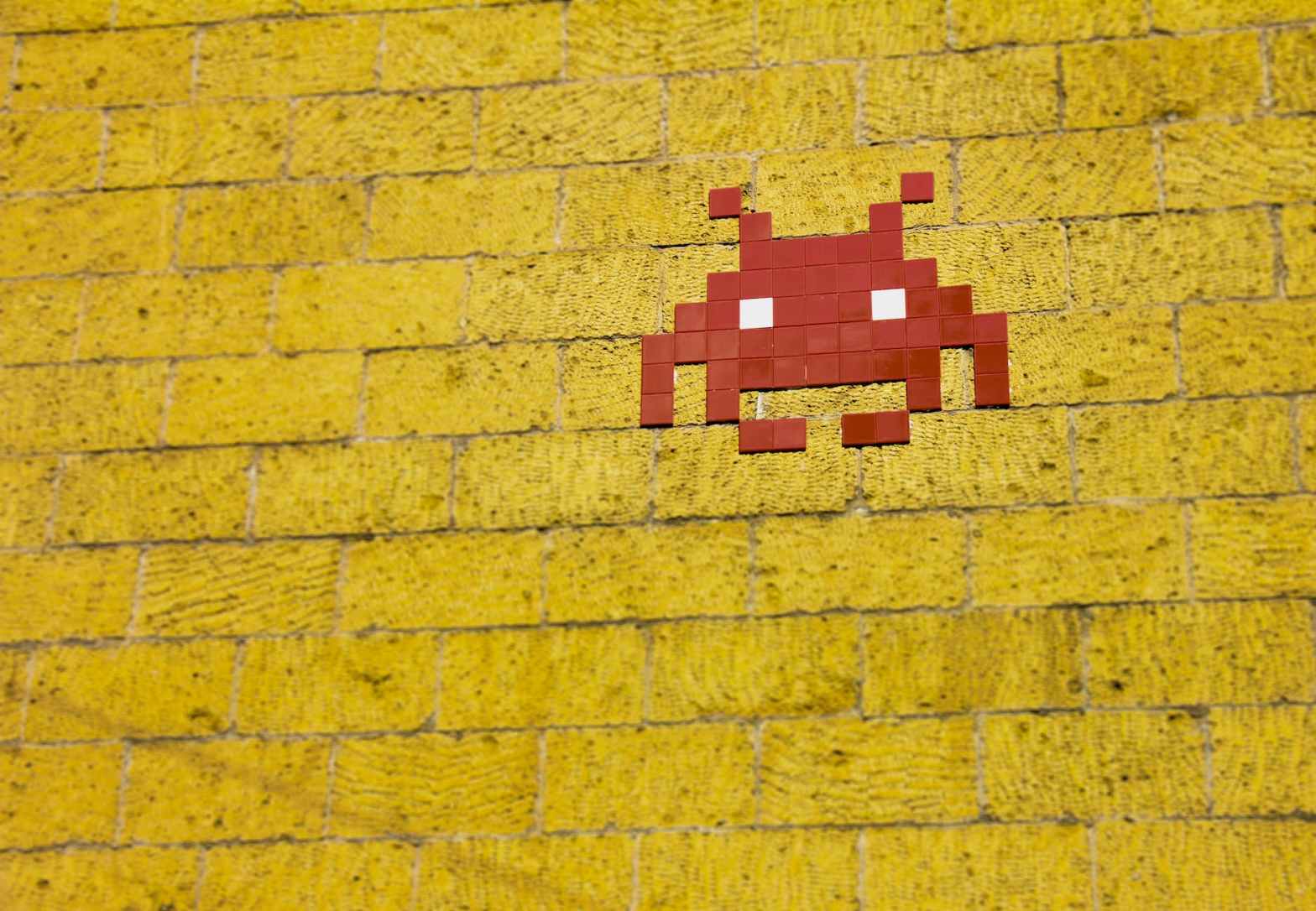
Instead, we sit side by side and he talks at me with patient precision, explaining the properties of each imaginary pixelated cube as we dig dirt and chop wood and build ourselves a home beside a square-edged lake, beneath square-edged clouds, and when the square sun sets it turns everything—the water, the sky, the screen—some kind of pink I don’t even have words for.


A beautiful, braided piece about a parent-child relationship, communication, creativity, memory, and so much more. The syntax is lively and inventive, as is the use of colours, repetition and liminal spaces.

Farhana Khalique

This moving, insightful story has the feel of a prose poem, but it it also has narrative traction. It’s thoughtful and ambitious and very skillfully interweaves the everydayness of life with its darker and more unsettling currents. Here too the form, with the child’s voice acting almost as a refrain, helps tie the narrative together, stopping it floating off into abstraction, and keeping the reader grounded. 

Patrick McGuinness

Jo Gatford writes short things about strange things. Her work has most recently been published by The Fiction Desk, Cease Cows, New Flash Fiction Review and PRISM. She occasionally tweets about weird 17th century mermaid tiles at @jmgatford.

New Voice Award: But After This Week Everything Will Calm Down by Sam Rennie

—trying not to be one of those people constantly on their phone so I search things to do other than be on your phone and that’s how I end up on my phone. Do a puzzle, it suggests. Walk barefoot on wet grassStart randomly screaming in public. Then I get a notification about a storm that is apparently on the way; people are saying the vibes are not good and it has big we’re going to die energy. Then I see a spoiler for a film that came out three hours ago, a sponsored ad for something that improves your memory, and a video of a dog with a crooked smile. When I look up, I notice I am in the queue for something. Then I’m sent a video about dissociating that will supposedly change my life and I reply sounds amazing!!! I’ll watch it later x already forgetting what I’m talking about before I’ve hit send. Then there’s someone saying another storm is approaching and someone else replying that’s the same storm you fucking idiot. Then the queue shuffles forward. Outside, the weather looks normal: a slow-motion montage of the two remaining seasons. Now there’s an account posting from the perspective of the storm and someone’s put I can’t believe how disrespectful this is like people could die and the account has replied glup glup glup. A live stream of the wreckage pops up and even though I’m watching it on mute, I can hear rainfall, sheets of consciousness melting away; like the time I used the torch on my phone to search my flat for the phone I was using; when I accidentally deleted a photo of my passport and panicked because I thought I had literally deleted the physical object; when I looked through old pictures and couldn’t remember any of them, so I held the screen closer to my eyes as if I could sear the images into my brain and retroactively create the memories I clearly didn’t form at the time. Then I realise the live stream I’m watching is actually the same five-second clip looping over and over so I close it and then I read a post from someone saying it’s their birthday but they haven’t spoken to anyone all day with thousands of comments underneath all wishing them happy birthday and then I read the storm account has been suspended for saying something racist so I quickly go back and unlike all of their posts and then I read that the storm is already here and when I get to the front of the queue and they ask for my name it takes me a minute.


This is a propulsively-written, yet expertly-controlled story, which I admired first of all for the clarity of its voice, despite the general messiness and interference of the consciousness it was caught up in, and for the way it was – in its brief span – full of acute social observation. It shows a really fine sense of how to convey the complex movements of a mind in mid-flow in language that doesn’t reduce that messiness but lets the reader ride it and – above all – recognise it in themselves. It’s psychologically very acute, too.

Patrick McGuinness

This story blew me away when I first read it, and it’s just as rewarding upon rereading. Using a breathless, stream-of-consciousness-like form, and dynamic and layered imagery, it says so much with so few words about the cacophony and anxiety that can exist in our everyday modern lives. It’s also hilarious.

Farhana Khalique

Sam studied novel-writing at Bath Spa University and is from a small town in Essex where the roads are named after The Lord of the Rings — he grew up on Gandalf’s Ride, a stone’s throw from Hobbiton Hill and Rivendale Vale. In 2023 he was longlisted for the WestWord Prize.

He is currently working on his debut novel and can be found on: 
Twitter: samcsrennie
Instagram: samcsrennie


Ignite: 30 days of flash fiction course

Are you looking for a flash of inspiration this autumn? Do you want to get into a better writing habit but not get hung up on word counts?

It’s the season for cosy nights, glowing fires, warm soups, fairy lights, fireworks and NaNoWriMo. National Novel Writing Month (NaNoWriMo) happens every year in November, and we want to expand it into flash fiction by throwing away the word count.

If you’re up for the challenge, then ignite your writing habit and write a flash fiction story every day (no word counts required), with Author and Director of the Oxford Flash Fiction Prize, Freya Morris, and Marie Gethins, award-winning writer and editor of the Irish flash ezine Splonk. For less than the average coffee cost per session, we’ll get you writing again and enjoying it.

To keep your fuse lit and your inspiration on fire, we will be focusing on creating first drafts only and staying in ‘creation mode’ – just like NaNoWriMo. You won’t be asked to share your writing or offer feedback. So we invite you to show up in any way you need that helps you write, whether that’s PJs, black screens, food and drink, or duvets. Creativity comes when we feel the most relaxed to create, so show up on your own terms.

Who for: Beginners / Writers looking to start writing frequently after a dry spell.

Cost: £99 / £70 (16 available) / Free places (SOLD)

Workshop times: 1 – 30 November, 7.30pm – 8.30pm (GMT) every day

What to expect over 30 days

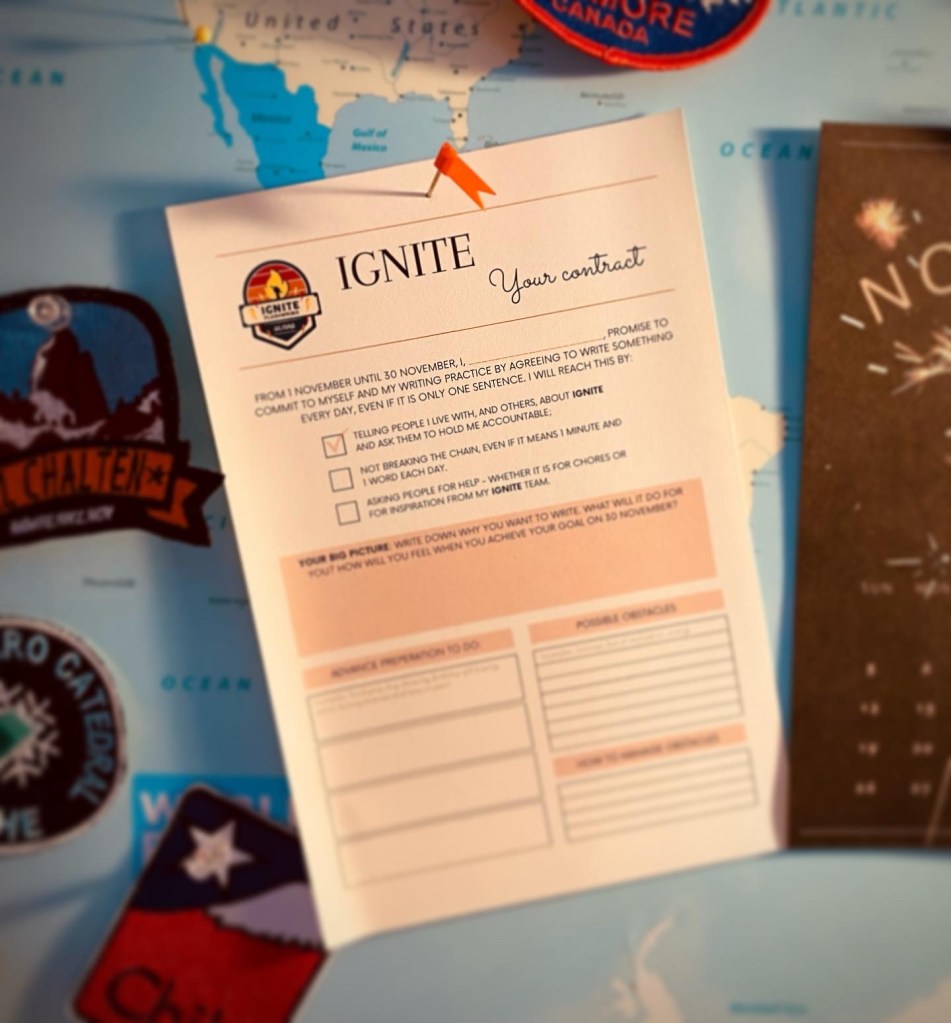
  • A FlashWriMo Welcome Pack in the post. Includes a notebook, calendar/habit tracker with stickers, advice for pre-FlashWriMo prep, Commitment Form, Keep Out sign, box of matches, an Ignite badge, tea bag, and copy of This is (not about) David Bowie by FJ Morris. (Terms: Must be booked onto the course at least a week in advance to get in time.)
  • A one hour Zoom session every day from 7.30-8.30 with Freya Morris and Marie, providing prompts, guides, inspiration and more. 
  • Daily emails and flash stories to ignite your creativity. 
  • Prizes for 7 day streaks and if you complete the whole 30 days.

It’s time to light up November and get writing!

The course was wonderful. When I first signed up I didn’t know what to expect, and was afraid it would be intimidating and I’d be out of my depth, but Freya did a wonderful job and I felt very at ease. I feel very inspired to write. Thank you! Flashy Gifts Workshop Participant

Your Hosts

Marie Gethins

Marie is an award-winning writer and editor of the Irish flash ezine Splonk. Her stories have been selected for  2020 BIFFY50 , 2021 Best Microfictions, and 2023 Best Small Fictions. She has also been nominated for a British Screenwriters Award, Best of the Net, and three Pushcart Awards. Marie has a BA in Eng­lish Lit­er­a­ture, a Master of Studies in Creative Writing from the University of Oxford, and a PhD in Creative Writing from the University of Limerick. Her flash fiction has fea­tured in NFFD Anthologies, Bristol Short Story Anthology, ReflexJellyfish ReviewMslexia, LitroNANO, Fictive Dream, Spelk, Ellipsis Zine, and many others.

Freya Morris

Freya is an award-winning writer and Director of the Oxford Flash Fiction Prize. Freya’s collection ‘This is (not about) David Bowie’ was published by Retreat West and received a special mention in the Saboteur Awards for Best Short Story Collection in 2019. In 2021, they were awarded DYCP Arts Council funding for their novel in progress, Burning down the house.

Freya has been published in numerous publications in the UK and internationally, and shortlisted for a variety of awards. You can find Freya’s stories soaring the skies thanks to a short story vending machine, and gracing pillows in a hotel in Indonesia.

The 2023 summer short-list

We are thrilled to announce our short list for the summer Oxford Flash Fiction Prize 2023, which features nine writers who will also be eligible for the ‘New Voice’ Prize.

If your story is listed, please do not identify which story belongs to you, as the judges are hard at work making their decisions.

SHORT LISTED STORIES

  • An Epidemic of Pink Clouds
  • Buds over blooms
  • But After This Week Everything Will Calm Down
  • Chiaros-cure-all
  • Dad Says Nobody Wins On The Teddy Picker
  • How to survive a Hurricane
  • How to Teach an Adult to Swim
  • Humbug Shark
  • If You Look At It Aslant, Maybe It Won’t Blind You
  • In the shadow of Scarfell Pike
  • It is a Far, Far Better Thing
  • Last Man Standing
  • Little Mouse
  • Luck of the Irish
  • Mother of Exiles
  • Mr. Majestic
  • My Father, Retired Physics Professor, Explains It All
  • My son plays Minecraft and talks at me for forty minutes straight while I try to write something profound
  • November 11th 1918
  • She Turned Out Okay
  • Solve the Problems that Fergus Denies He Caused
  • Suffering for my art
  • The Cashier
  • The Costa Blues
  • The Exchange
  • The You Not You
  • Two Weeks After Mum Leaves
  • Where the Birds Fly
  • Woman Driver

Those on the short list will be awarded publication in our next anthology and a four-week workshop called Dust Off Those Drafts with The Flash Cabin. They will get four weeks of feedback exchange and story revision (includes 20 revision exercises & 20 study stories) with Anika Carpenter.

We will be announcing the winners in a few week’s time, so watch this space! 

Our next competition will be opening on the 1 November 2023. So if you don’t find yourself on this list, we hope you’ll try again in our next competition and keep crafting.


Ignite: 30 days of flash fiction course

Are you looking for a flash of inspiration this autumn? Do you want to get into a better writing habit but not get hung up on word counts?

It’s the season for cosy nights, glowing fires, warm soups, fairy lights, fireworks and NaNoWriMo. National Novel Month (NaNoWriMo) happens every year in November, and we are here to expand it into flash fiction and throw away the word count.

If you’re up for the challenge, then ignite your writing habit and write a flash fiction story every day (no word counts required), with Author and Director of the Oxford Flash Fiction Prize, Freya Morris, and Marie Gethins, award-winning writer and editor of the Irish flash ezine, Splonk. For less than the average coffee cost per session, we’ll get you writing again and enjoying it.

The 2023 summer long-list

We are thrilled to announce our long list for the summer Oxford Flash Fiction Prize 2023.

Congratulations to all of the authors who reached the list and for all those who entered this round. We saw a wonderful range of genres, topics and stories from all over the world, and it was hugely competitive. Many wonderful stories just missed the final list and for those we have permission to email – we will be letting you know! 

If your story is listed, please do not identify which story belongs to you, as the judges are hard at work making their decisions.

LONG LISTED STORIES

    • An Epidemic of Pink Clouds
    • Betrayal
    • Buds over blooms
    • But After This Week Everything Will Calm Down
    • Chiaros-cure-all
    • Dad Says Nobody Wins On The Teddy Picker
    • Dillon’s Door
    • Family Circle
    • Fifty Ways to Grieve your Mother
    • Gardener’s delight
    • Homeward
    • How to survive a Hurricane
    • How to Teach an Adult to Swim
    • Humbug Shark
    • If You Look At It Aslant, Maybe It Won’t Blind You
    • In the shadow of Scarfell Pike
    • It is a Far, Far Better Thing
    • Last Man Standing
    • Little Mouse
    • Luck of the Irish
    • Mother of Exiles
    • Mr. Majestic
    • My boyfriend almost overpays at a night market in KL
    • My Father, Retired Physics Professor, Explains It All
    • My son plays Minecraft and talks at me for forty minutes straight while I try to write something profound
    • November 11th 1918
    • Set in Stone
    • She Turned Out Okay
    • Solve the Problems that Fergus Denies He Caused
    • Suffering for my art
    • The Cashier
    • The Costa Blues
    • The Exchange
    • The Landing
    • The Prize
    • The Road Sweeper
    • The You Not You
    • Two Weeks After Mum Leaves
    • Where the Birds Fly
    • Woman Driver

    In the next few weeks, we will be announcing our shortlist, who will be awarded publication in our next anthology and a four-week workshop called Dust Off Those Drafts with The Flash Cabin. They will get four weeks of feedback exchange and story revision (includes 20 revision exercises & 20 study stories) with Anika Carpenter.

    So watch this space! 

    Our next competition will be opening on the 1 November 2023. So if you don’t find yourself on this list, we hope you’ll try again in our next competition and keep crafting.


    Ignite: 30 days of flash fiction course

    Are you looking for a flash of inspiration this autumn? Do you want to get into a better writing habit but not get hung up on word counts?

    It’s the season for cosy nights, glowing fires, warm soups, fairy lights, fireworks and NaNoWriMo. National Novel Month (NaNoWriMo) happens every year in November, and we are here to expand it into flash fiction and throw away the word count.

    If you’re up for the challenge, then ignite your writing habit and write a flash fiction story every day (no word counts required), with Author and Director of the Oxford Flash Fiction Prize, Freya Morris, and Marie Gethins, award-winning writer and editor of the Irish flash ezine, Splonk. For less than the average coffee cost per session, we’ll get you writing again and enjoying it.

    The Power of Raw Talent: New Voice Prize increases to £400

    Raw talent is a precious gem waiting to be discovered. It is the spark that ignites the imagination. The unpolished brilliance that holds the potential to captivate readers. 

    At the Oxford Flash Fiction Prize, we believe in fostering and encouraging these emerging voices. So we are thrilled to announce an increase in prize money for our summer competition New Voice Prize to £400. Two runners ups will also have an editor work with them on polishing their story for publication.

    New Voice Prize – £400
    Runners up – Editorial guidance with Marie Gethins

    Our New Voice Prize is for writers who have never had a story published before online or in print. We know that the journey from a raw manuscript to a polished masterpiece can be daunting. Therefore, each selected winner and runner-up will have the chance to collaborate with an experienced editor. Award-winning flash fiction writer and editor of the Irish flash ezine Splonk, Marie Gethins will provide invaluable guidance, feedback, and support throughout the editing process to ensure each story reaches its full potential before being published in the anthology.

    Financial constraints often hinder budding writers from fully exploring their potential. This is why we want to provide this one-off opportunity to invest in their craft, pursue their dreams, and further develop their skills. We want to remove the barriers that talented individuals face to create an environment that encourages their creativity.

    We are committed to empowering and celebrating new and emerging talent from all backgrounds. By investing in emerging voices, we hope to unlock new dimensions of storytelling that will inspire others to write too. 

    So if you are an inspiring writer, be sure to tick the box ‘I have never had a story published before’ when entering to be considered for the New Voice Award. 

    First Place: Popman’s bin by Maria Thomas

    Lemonade

    I hear ‘im before ‘e arrives on the street, bottles rattling together like bones. Mam’s in the kitchen holding onto a cuppa tea like it’s a life raft, eyes sore and swollen as lemons with all the cryin’. She kicked Sammy out last night – caught ‘im spyin’ on Kel as she got ready fer swimming. He’s allus bin a bit of a creep ‘as Sammy – mi other sister said she’d caught ‘im lookin’ at ‘er when Mam wasn’t there. She threatened to kick ‘im in the balls – no-one messes with our Kat.

    Anyhow I can hear Popman rattling through the estate, and I’ve got mi clean bottles ready to swap for pennies and I’m looking forrad to a cool glass of lemonade with the chippy tea Mam’s promised. And I’m gonna gi‘er a few of mi pennies, just to show I appreciates ‘er, just to show I loves ‘er.

    Dandelion and Burdock

    Mam’s at kitchen table when I gets in from school, hands around a mug of summat that I’m pretty sure isn’t tea. These days she allus looks knackered. Since Sammy went she doesn’t sleep and ‘er eyes look like maw of a grave – like mi Dad’s afore they lowered ‘im into it. I gies ‘er a cuddle that slides off ‘er like rain, and I just wants to know, just to know ‘ow to mek ‘er better. ‘Ow to mek ‘er the Mam she was afore our Mickey were born cold, afore Dad took ’is own life and left ‘er to deal with me and Kel and Kat by ‘erself. Afore Sammy come and med things better, and then worse.

    Popman’s bin and I get meself a glass of D&B and I remember our Kat once rubbing burdock onto a patch of nettle stings on mi ankle, remember it soothing and cooling, calming the angry red rash, and I pour mi Mam a glass and leave it by her hand and cross mi fingers that she might drink it, that it might help.

    American Cream Soda

    Today were a good day. Today we ‘ad mi ole Mam back. I gets in from school and she’s mekin dinner – fishie fingers as crispy as yer like, and them chips yer put in oven – a bit soggy but we don’t bother – and mushy peas that mek kitchen smell of farts and we mek Mam laugh rasping with our lips on ‘er neck and ‘er arms as she’s tryna get stuff done.

    Popman’s bin and she’s got these big ole pint glasses which she fills with American Cream Soda, then she scoops a perfect egg shape out of a big tub of vanilla and drops it in the glass. Pop sizzles and bubbles like sea at bottom of cliffs, and the icecream pops back up and floats like an island, like Kelham Island mebbes. She slips in stripey straws, and we suck and suck and suck, and it’s like drinking candy floss, like drinking the happiest memory you ever had.

    Cherryade

    It were our Kat that found ‘er. Sitting at kitchen table like allus, smell of marzipan fillin’ room, smell of marzipan and vodka and an empty bottle of pills reght next to ‘er hand. She’d bin taken away by time me and Kel got in and there’s all these uniform types millin’ around the place. Our Kat’s 18, old enough to tek us on, but she looks scared and sad and small. She looks just like mi Mam.

    Popman’s bin and there’s a fresh bottle of Cherryade on side waiting for us, like Mam thought we might want a bit of pop with our death in the afternoon. There’s a small pile of coins beside it – pennies and tuppence mostly, the odd five pee – and I slip ‘em into mi pocket as if they might help, as if they might mek things better.


    The author’s distinctive voice imbues the work with a sense of originality. The use of drinks as symbolism and the exploration of memory as a theme are particularly noteworthy and brilliantly crafted.

    Mustapha Enesi

    The sickly sweet taste and corrosive of soda pop is the backdrop and innovative structure to a tragic family story beautiful told in poetic language; lines such as “a perfect egg shape out of a big tub of vanilla” blew us away making this story a clear and deserving winner. 

    Camilla Grudova

    Maria Thomas is a middle-aged, apple-shaped mum of two. She has work in various publications and was shortlisted in the 2022 Oxford Flash Fiction competition and a finalist in the London Independent Story Prize (LISP) 2022. Maria won Retreat West’s April 2022 Micro competition, was a runner up in their AMOK themed quarterly flash comp, and took second place in Propelling Pencil 2022.

    She can be found on Twitter as @AppleWriter.
     

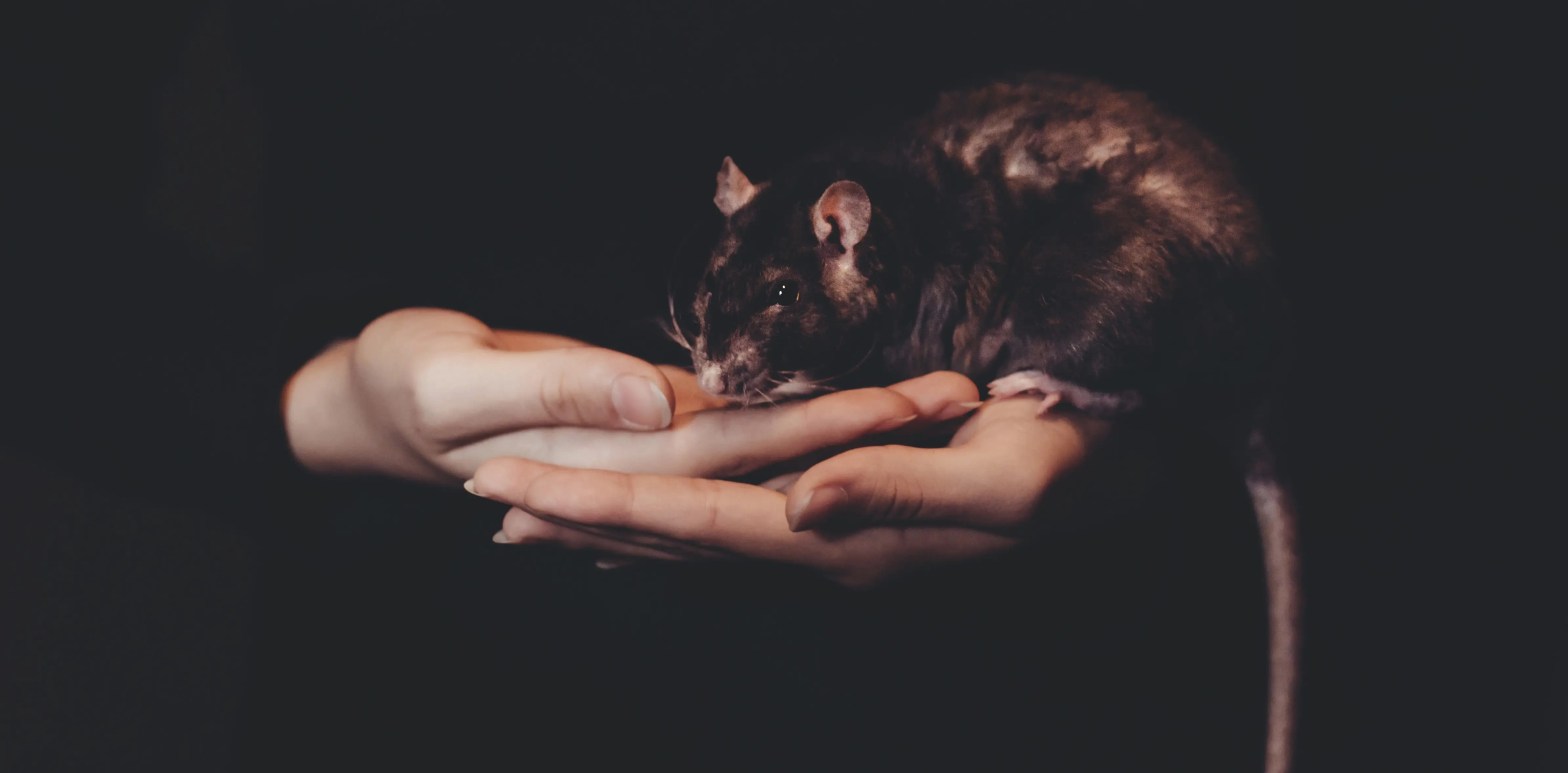
    Second place: City rat by Jennifer McMahon

    country kid in country clothes comes to the city to revel and rebel in ways his Christian parents would disown him for, but they won’t ever know because that was the whole point in coming here, to graze among the flowing queens and exaggerated queers and all the other seductive strangers, more kin to him than his own, but he has no money so he sells his ass on weeping streets and comes to know the girls who call them home, and they teach him how to survive, where to get clothes and soup, and what johns to stay away from, and where to score the best dope, because you need something to round off the sharp edges in this city of straight lines and caustic wit, burning bridges and flaming towers like thorns that fling the sunlight back and forth, one to another in a circle of blazing light, and it’s too bright and too hard and everything’s for sale here, hearts and souls, and the streets are choked with empty people, racing, pacing, breathless, feckless, and he hurts so bad inside, he cries his way to sleep at night and wishes he’d never left but he couldn’t be himself or hide the sinful truth, and everything they ever taught him about being good and decent and proper gnaws at his mind even as the rats gnaw at his toes and he kicks them away and they squeal as they run, then one night he gets picked up by this nice old john who says his name is Stephen and maybe he can help, but the help he offers is a regular job and a trip to rehab, and the kid turns him down because he can’t leave behind the life he’s come to know as normal, and it’s amazing what a person can get used to but they say that’s how it goes, the abnormal becomes normal, and one morning he wakes up early and goes to the park and a blackbird warbles just for him, and the grass is frost-silvered and skin-soft, so he takes off his sneakers and walks barefoot to touch the earth and ground himself, and the cold makes him shiver but it’s okay because it reminds him of doing the same once, walking barefoot on the sterile lawn at home on an uneasy summer’s afternoon while he tried to convince himself he belonged where he was, and his mother was cooking dinner and there was love and softness and the smell of pot-roast snorkelling through the kitchen window, and inside, his father was reading the newspaper with his feet up on the stool in front of him because he was tired after working a long week and there was more to come the next week, and he spoke over dinner about how life never stopped, how one day tumbled over another like they were in a game of chase, and if you didn’t seize hold of them, they’d pass you by, and when the kid heard him say it, he knew he had to leave, and he did, that very night, and ended up in the city in bare feet walking on icy grass while a blackbird chortles at him and he knows what it’s saying, that he should go home, go home, to where he’s loved and missed and broken hearts will be mended by prodigal’s return, then he steps on something sharp, a piece of glass, stuck in his flesh now, and when he pulls it out, there’s blood, and the pain cuts deep so he sucks in his breath and grits his teeth, and limps back to where he finds shelter, with the street girls and the new boys who’ve just come in from the country, and they look up to him and respect him because he’s been here so long, how long he can’t say, but the new boys need someone to show them the ropes, where to score the best dope and what johns to avoid, so maybe he’ll go home someday but the days tumble one after another and there’s never enough time, money, food, dope, sex, booze, love, but there is a sort of love here, the kind that’s born of weary, hand-me-down despair and being lost inside himself and crying out that there’s no place like home, there’s no place like home, and that night, a rat licks the dried blood from the sole of his foot and he doesn’t bother to kick it away because he knows a kindred spirit when he sees it, and everyone needs to find their place in the world, even if they’re just city rats, a long way away from anything like home. 


    The writing and story possess a distinct tone of defiance that sets them apart. I appreciate how the author’s willingness to take risks paid off and how the themes of acceptance and social class interweaved seamlessly, resulting in a cohesive and compelling narrative.

    Mustapha Enesi

    This feverish rewriting of Country Mouse/City Mouse with a queer undertone pays homage to young city lives in vivid prose. 

    Camilla Grudova

    A winner of the Irish Writers Centre Novel Fair 2023, Jennifer McMahon’s words appear in The Irish Independent newspaper (New Irish Writing – upcoming, Feb 2023), the Oxford Prize Anthology, Heimat Review, Empyrean Literary Magazine, Books Ireland Magazine, Loft Books and the Retreat West Anthology (upcoming, 2023).

    She has won both the Bray Literary Festival and the Books Ireland Magazine flash fiction competitions, and was a Top Ten Finalist in the Oxford Prize. Her stories have been shortlisted for the Anthology Short Story Award, the Alpine Fellowship Writing Prize, the Retreat West Short Story Prize, the Wild Atlantic Writing Awards, and the Women On Writing Flash Fiction Prize. Jennifer was also shortlisted for The Literary Consultancy Scholarship in 2022, and was longlisted in Fiction Factory’s Novel First Chapter competition, the Retreat West Flash Fiction Prize. She lives in Co. Wexford, Ireland.

    Third place: The things my sister gave me by Abigail Williams

    Whooping cough. That was the first thing my sister gave me. Me, with my crushed-velvet flesh and sea creature fingers, her with thick bunches and dungarees. I was four months old but Mum fetched the story down so often I could almost smell the vomit-scent cellular blanket. Mum had to suck mucus from my nose with a plastic bulb and Mrs Evans – who never let us tread on her lawn, even when our ball went over – came to the end of her drive when the ambulance arrived just to watch because what else did you do in the ’80s? 

    The doctors thought I might not live. 

    And then there was the scar she gave me above my right eye. Swingball bat. I still see it coming towards me, her red face, spit on her lip. Afterwards she gave me the Chupa Chups lolly that Dad bought her from the hospital shop. I asked her once if she hit me on purpose and I expected her to laugh but she ran her long hair into her mouth and pulled it out in sharp wet points and asked if I wanted a wine. 

    My sister gave me Mum. Well. She left her up for grabs when she took Dad and I mean, she took all of him. All of his eyes and thoughts and all the timid little hopes that we don’t expose to natural light. ‘Have you thought, Doll, about medicine?’ He always called her Doll even though her name was Sarah. He gave a lot of thought to what she might do when she grew up. He enjoyed travelling into imagined futures, framing her in different costumes. ‘What about law?’ 

    ‘I’d like to be a doctor, Dad.’ 

    He looked at me like I was lost change. A spare sock. Sometimes I think she didn’t even want him, like carrying all that attention was too much for one person but she didn’t know how to set it down.

    Mum worried a lot so, in that sense, my sister also gifted me medium-grade anxiety. 

    Dad was there-not-there, like most dads in those days, until Sarah appeared. She could be doing anything or nothing, just reading a book upside down with her legs against the wall and he would laugh like she’d cracked a joke. Around Sarah he stopped being just a suit. ‘You kill me, Doll.’ 

    ‘I can do that too, Dad. Look!’ 

    But unsuit-Dad was full up. ‘No one likes a show off,’ he’d say.

    I gave her head lice. 

    Twice.

    We got older, passed stuff back and forth. Mascara. Mix tapes. Sometimes she bought my friends and I cider. One leather jacket. Dieting tips. She gave me 27 games of Shithead the night before they announced my exam results. Sterile bandages when things got too much and I tried to cut the worry out. I gave her space from Mum on come-down Sundays. She gave me my first spliff and my husband, Adam, who was her boyfriend first but I was young and thin and Fuck You then. 

    Perhaps she didn’t give him to me. Perhaps I took him.

    Sarah said she didn’t mind. She dyed her hair blue. Had another flirtation with dungarees. But sometimes later at family dinners I’d come into a room with only Adam and Sarah in it and she’d be playing her Dad trick. The happiness-giving. The grey-skin-sloughing. It made me envious, knowing that her secret talent was the Unclenching of Men. Perhaps he would have loved her like Dad did if I hadn’t got in the way. Perhaps, if he’d married her, Adam wouldn’t have left. 

    My sister gave me my daughter. It turned out Mum and Dad only gave one of us a functioning womb, so she offered hers up because she wasn’t using it at the time. She said it like she was offering me her cowboy boots for a night. Brand new, never worn.

    It was hard to watch her wobble around with her beach ball t-shirt and blue vein breasts knowing that she was carrying my baby. My body ached with it. I hid alcohol. Scrubbed surfaces with anti-bacterial spray. I wanted to lock her away from the world, from the whooping cough and rubella. Adam said I was turning into my mum. 

    For a while, the three of us were a family. We whispered in awed tones about the future. We gave each other anticipation. Then, after Baby came and Adam left, me and Sarah gave each other red wine and tissues and endless watery coffee and gin and tissues and we hated each other in our same-same house with our missing love, but we poured ourselves into the tiny person who turned out to be a bit of us both. Sarah tried to rebuild the Lego-brick me without instructions, pulling her glasses onto her middle-aged nose like I was a problem she could solve. 

    We got older. Our sister-love gifts got more extravagant. Cashmere jumpers. Badged handbags. Trips abroad. Finally, in an outrageous climax, we swapped organs. 

    She gave me back my Lego-brick heart, fully rebuilt, devastatingly whole. 

    I gave her a kidney. 

    We watched as the machines cleaned her blood and pumped it through her. We took the drugs together. We lay in the same room with our sheets pulled up over our chests and our girl holding both our hands. 

    ‘I’ll see you soon,’ I said as they wheeled me into theatre. 

    She can’t have liked all the things I gave her but she never said a thing. Even the neon scarf she wore at least once. Even the slippers that were a size too small because I forgot about her fallen arches.

    Of all the gifts to reject, in the end it was this one her body returned. 

    Never to be outdone, my fragile Lego heart – that she so carefully rebuilt – collapsed. Now I find myself rattling with sorrow, less than half the pair I once was.


    The intentional use of style in this story is impressive. I love the way in which the repetitive resonance creates a powerful effect. I also love the exploration of the body, which adds a layer of depth and richness to the narrative.  

    Mustapha Enesi

    This lyrical piece encompasses an entire life in a page and a half, describing the dark and co-dependent existence of two sisters in eerie clockwork language. 

    Camilla Grudova

    Originally from Leeds, now living in Devon, Abby Williams writes flash and longer fiction. She has won the Flash 500, Cranked Anvil’s short story competition and the Evesham Festival of Words short story prize. She placed third in the Bath Flash Fiction Award, was shortlisted for the New Writers Flash Competition, longlisted in the Oxford Flash Fiction Prize and twice longlisted in the Reflex Press flash fiction competition. She has stories in Popshot Quarterly and Riptide Journal. She recently achieved a distinction in her Creative Writing MA from the University of Exeter. She has a weird fascination with writing about family relationships. @scribblingabby