It was going to be about how I was thirty-something when I realised the colour of the sea is dependent on the colour of the sky and that some seas are not just grey and some others are not just brown and the ones we can’t afford to visit are not just cats-eye marble blue and ‘wine-dark’ was just the closest way to describe a colour the Greeks hadn’t yet named, but when the sky is sunless all the oceans fall to the same monochrome void.
My son says: You know there are probably people who lock themselves in their houses at night because they’rescared of getting engulfed in pure dark?
When a child asks what you’re scared of, you say things like crocodiles and clowns and the uncanny valley instead of the fact that you are terrified every time they cross a road, and what if one day they fall down the stairs or take a knife to their own skin and it’s all over in a wine-dark flood—dear God, flesh of my flesh, please be gentle with yourself—but there is time for all that and the uncanny valley is scary enough for now, so you explain how the human brain gets really freaked out about things that are almost but not quite; the might-just and the could-be.
My son says: You know it’s possible one day someone will live their whole life inside virtual reality and believe it’s real?
It’s possible that when you wake from a dream, you are actually still inside of it; that all of this is just synaptic serendipity folded in on itself and maybe you just imagined everything: your life, your body, your children, your fear; the way the ocean’s churn feels heavy as ancestral dread inside your guts and the way you perceive colour makes no earthly sense except that light is an ungodly thing; the way birdsong has evolved to mimic digital sound and how fucking sad that is—how ridiculous—or maybe it’s all just synthesis; and maybe we’d all be happier in a cuboid world contained completely within my son’s brain.
My son says: Do you ever take so long telling a joke that by the time you get to the end everyone’s forgotten what itwas?
It was going to be about—something I don’t now recall. Something-something cause and effect, something-something ones and zeros.
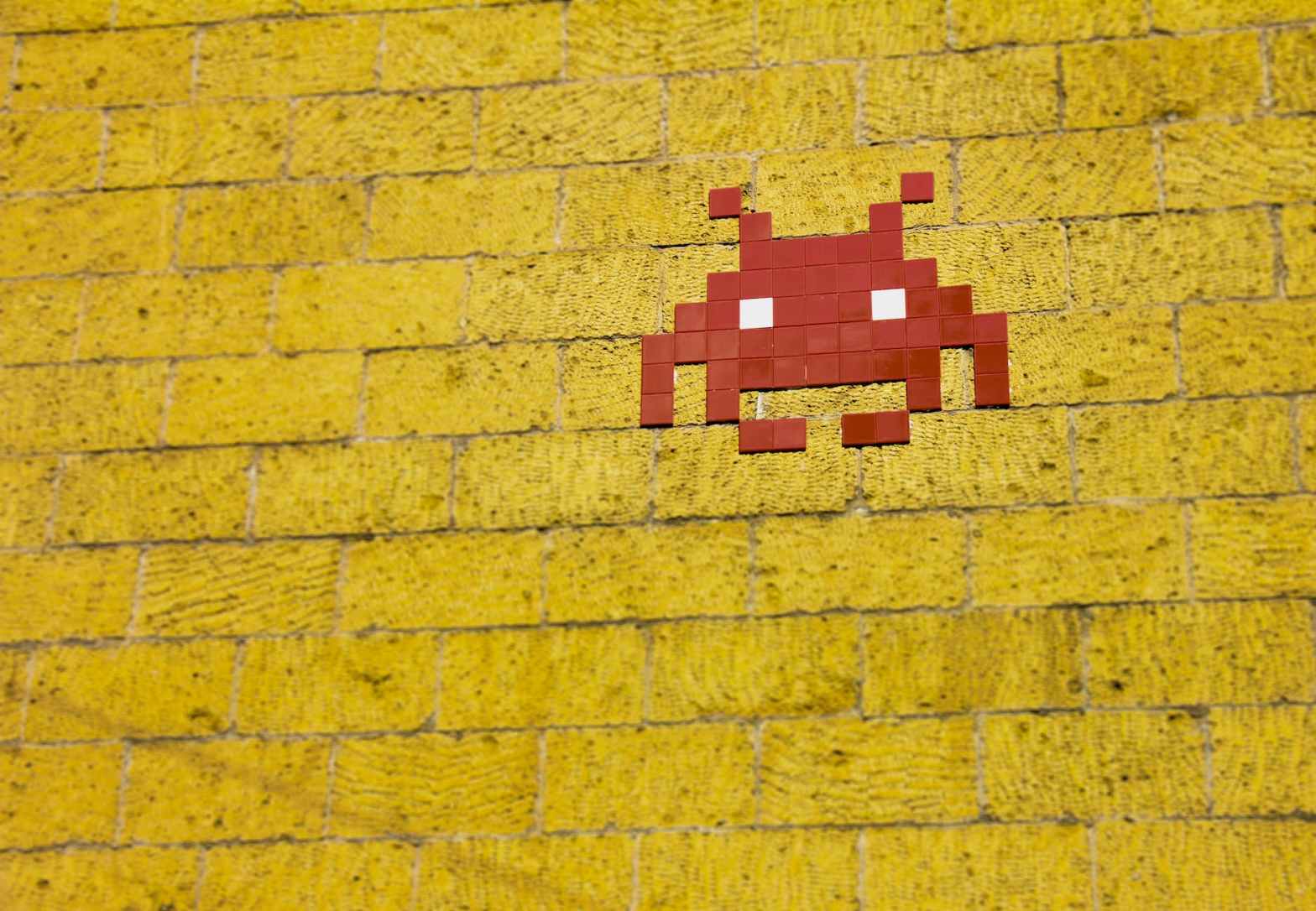
Instead, we sit side by side and he talks at me with patient precision, explaining the properties of each imaginary pixelated cube as we dig dirt and chop wood and build ourselves a home beside a square-edged lake, beneath square-edged clouds, and when the square sun sets it turns everything—the water, the sky, the screen—some kind of pink I don’t even have words for.
A beautiful, braided piece about a parent-child relationship, communication, creativity, memory, and so much more. The syntax is lively and inventive, as is the use of colours, repetition and liminal spaces.
Farhana Khalique
This moving, insightful story has the feel of a prose poem, but it it also has narrative traction. It’s thoughtful and ambitious and very skillfully interweaves the everydayness of life with its darker and more unsettling currents. Here too the form, with the child’s voice acting almost as a refrain, helps tie the narrative together, stopping it floating off into abstraction, and keeping the reader grounded.
Patrick McGuinness
Jo Gatford writes short things about strange things. Her work has most recently been published by The Fiction Desk, Cease Cows, New Flash Fiction Review and PRISM. She occasionally tweets about weird 17th century mermaid tiles at @jmgatford.
 Oxford Flash Fiction Prize